When Do You Really Need Bypass Surgery? Signs You Shouldn’t Ignore
Heart disease is one of the leading causes of death worldwide, and one of the most common life-saving procedures for advanced heart conditions is Coronary Artery Bypass Grafting (CABG). But the big question many patients ask is: When do you actually need bypass surgery?
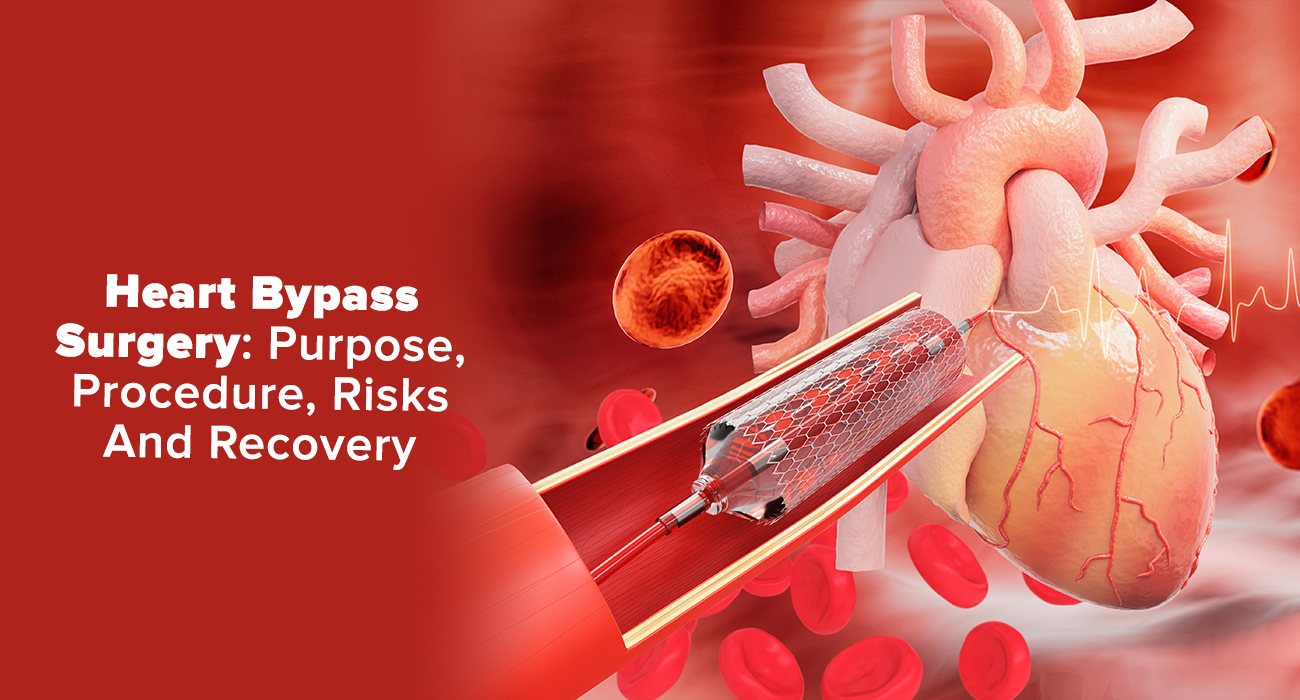
Coronary Artery Bypass Grafting (CABG) is a surgical procedure used to improve blood flow to the heart. It involves taking a healthy blood vessel from another part of the body and using it to bypass blocked or narrowed coronary arteries.
Why Do People Need Bypass Surgery?
Bypass surgery is usually recommended for patients with severe coronary artery disease, where plaque buildup restricts blood flow in the arteries.
Doctors may suggest bypass surgery when:
- Multiple arteries are severely blocked
- The left main coronary artery is narrowed
- Other treatments like angioplasty or stents are not effective
- There is a high risk of heart attack
Warning Signs You Shouldn’t Ignore
Recognizing early symptoms can help you seek timely treatment. Here are the key signs that may indicate you need bypass surgery:
- Persistent Chest Pain (Angina)
Frequent or severe chest pain, especially during activity or stress, may signal reduced blood flow to the heart. - Shortness of Breath
If you feel breathless even with minimal exertion, it could be due to poor heart function caused by blocked arteries. - Extreme Fatigue
Unusual tiredness without a clear reason may be a subtle sign that your heart isn’t pumping efficiently. - Heart Attack History
Patients who have already experienced a heart attack are at higher risk and may need bypass surgery to prevent future episodes. - Irregular Heartbeat
Abnormal heart rhythms or palpitations can sometimes indicate underlying coronary artery disease. - Poor Results from Angioplasty or Stents
If procedures like angioplasty or stenting fail or symptoms return, bypass surgery may be the next best option.
Diagnostic Tests That Help Decide
- Coronary Angiography – Identifies blockages in coronary arteries
- Electrocardiogram (ECG) – Detects heart rhythm problems
- Echocardiogram – Evaluates heart function
- Stress tests to assess blood flow under exertion
When Is Bypass Surgery Urgent?
Bypass surgery may become urgent or life-saving in situations like:
- Severe blockage in multiple coronary arteries
- Ongoing chest pain not relieved by medication
- High risk of a major heart attack
- Weak heart function due to reduced blood supply
Benefits of Bypass Surgery
- Improves blood flow to the heart
- Reduces chest pain and symptoms
- Lowers the risk of heart attacks
- Enhances quality of life
- Increases survival in high-risk patients
Can You Avoid Bypass Surgery?
In early stages of heart disease, lifestyle changes and medications can help delay or avoid surgery:
- Healthy diet (low fat, low cholesterol)
- Regular exercise
- Quit smoking
- Manage diabetes and blood pressure
- Take prescribed medications consistently
However, once the disease becomes severe, surgery is often the safest and most effective option.
Final Thoughts
Bypass surgery is not always the first treatment option, but it becomes essential when your heart’s blood supply is critically compromised. Ignoring symptoms like chest pain, breathlessness, or fatigue can lead to life-threatening complications.
If you or your loved ones experience these warning signs, consult a heart specialist immediately. Early diagnosis and timely treatment can save lives.