Beating-Heart Bypass Surgery (Off-Pump CABG): Safer Heart Surgery Without Stopping the Heart
Beating-Heart Bypass Surgery, also known as Off-Pump Coronary Artery Bypass (OPCAB), is an advanced form of heart bypass surgery performed without stopping the heart.
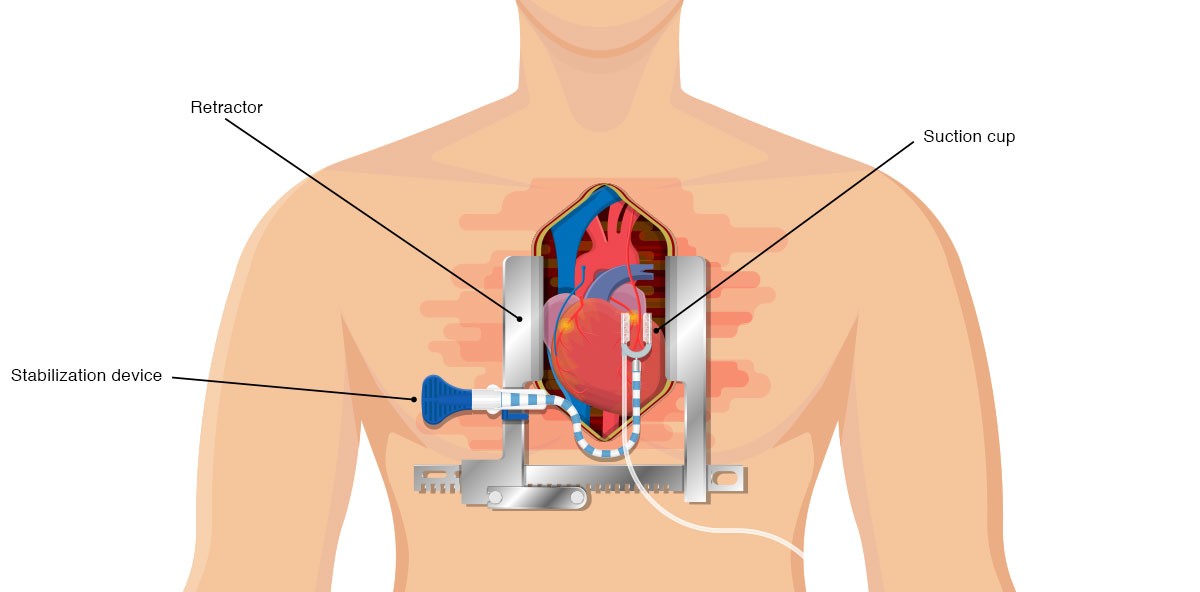
Unlike traditional bypass surgery, this procedure is done while the heart is still beating, using specialized instruments to stabilize the area being operated on. It avoids the use of a heart-lung machine, making it a preferred option for many patients.
Why is Beating-Heart Bypass Surgery Done?
This procedure is recommended for patients with:
- Blocked or narrowed coronary arteries
- High risk for complications with traditional bypass
- Diabetes or kidney problems
- Weak heart function
- Advanced age
It is especially beneficial for patients where avoiding the heart-lung machine reduces surgical risks.
Symptoms That May Require This Surgery
You may need evaluation for bypass surgery if you have:
- Chest pain (angina)
- Shortness of breath
- Fatigue or weakness
- Irregular heartbeat
- History of heart attack
How is Off-Pump CABG Performed?
- The patient is given general anesthesia
- The surgeon makes an incision in the chest
- Special stabilizing devices are used to hold a part of the heart steady
- A healthy blood vessel is taken from the leg, arm, or chest
- The blocked artery is bypassed to restore blood flow
The heart continues to beat throughout the procedure.
Advantages of Beating-Heart Bypass Surgery
- Lower risk of complications
- Reduced chances of stroke
- Less bleeding and need for blood transfusion
- Faster recovery time
- Shorter hospital stay
- Better option for high-risk patients
Risks of Off-Pump CABG
Although safer for many patients, some risks include:
- Incomplete revascularization (in some cases)
- Irregular heart rhythms
- Infection
- Bleeding
However, in experienced hands, this procedure has excellent success rates.
Recovery After Beating-Heart Bypass
- Hospital Stay
Usually 4–6 days, shorter than traditional surgery - Recovery Time
Most patients recover within 4–8 weeks - Recovery Tips
- Follow medication schedule
- Start light physical activity as advised
- Maintain a healthy diet
- Avoid smoking and stress
- Attend cardiac rehabilitation
Who is the Best Candidate?
Beating-heart bypass is ideal for:
- Elderly patients
- Patients with diabetes
- Those with kidney or lung disease
- Patients at high risk for complications from on-pump surgery
Your surgeon will decide the best approach based on your condition.
Life After Surgery
After recovery, most patients:
- Experience relief from chest pain
- Have improved energy levels
- Can return to daily activities
- Enjoy a better quality of life
Long-term success depends on maintaining a heart-healthy lifestyle.