Cardiovascular Emergencies: Recognizing Symptoms & Getting Immediate Care
Cardiovascular emergencies are life-threatening conditions affecting the heart and blood vessels that require immediate medical attention. Quick recognition and prompt treatment can save lives and prevent permanent damage.
Common Types of Cardiovascular Emergencies
- Heart Attack (Myocardial Infarction)
Occurs when blood flow to the heart is blocked. - Cardiac Arrest
Sudden stopping of the heart’s function. - Aortic Dissection
A tear in the wall of the aorta. - Stroke
Interruption of blood flow to the brain. - Pulmonary Embolism
A blood clot blocking arteries in the lungs. - Acute Heart Failure
Sudden worsening of heart function.
Warning Signs You Should Never Ignore
Seek immediate help if you notice:
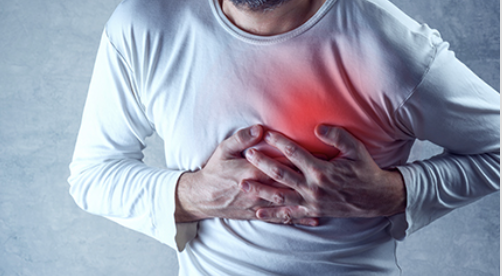
- Chest pain or pressure (may spread to arm, jaw, or back)
- Sudden shortness of breath
- Rapid or irregular heartbeat
- Dizziness or fainting
- Severe sweating
- Weakness or numbness (especially on one side of the body)
- Sudden severe headache or confusion
What to Do in a Cardiovascular Emergency?
Act FAST:
- Call emergency services immediately
- Keep the patient calm and seated
- Loosen tight clothing
- If trained, begin CPR in case of cardiac arrest
- Do not delay seeking professional medical help
Importance of Early Treatment
Early intervention can:
- Save life
- Reduce heart or brain damage
- Improve recovery outcomes
- Prevent long-term complications
How are Cardiovascular Emergencies Treated?
Treatment depends on the condition but may include:
- Emergency medications
- Oxygen therapy
- Defibrillation (shock for cardiac arrest)
- Angioplasty or stenting
- Emergency heart surgery
- Intensive care monitoring
Who is at Risk?
People at higher risk include those with:
- High blood pressure
- Diabetes
- High cholesterol
- Smoking habits
- Obesity
- Family history of heart disease
- Sedentary lifestyle
How to Prevent Cardiovascular Emergencies
- Maintain a healthy diet
- Exercise regularly
- Control blood pressure, sugar, and cholesterol
- Avoid smoking and excessive alcohol
- Manage stress
- Get regular health check-ups
Recovery After a Cardiovascular Emergency
Recovery depends on severity and treatment:
- Hospital monitoring and medications
- Cardiac rehabilitation programs
- Lifestyle modifications
- Regular follow-up care