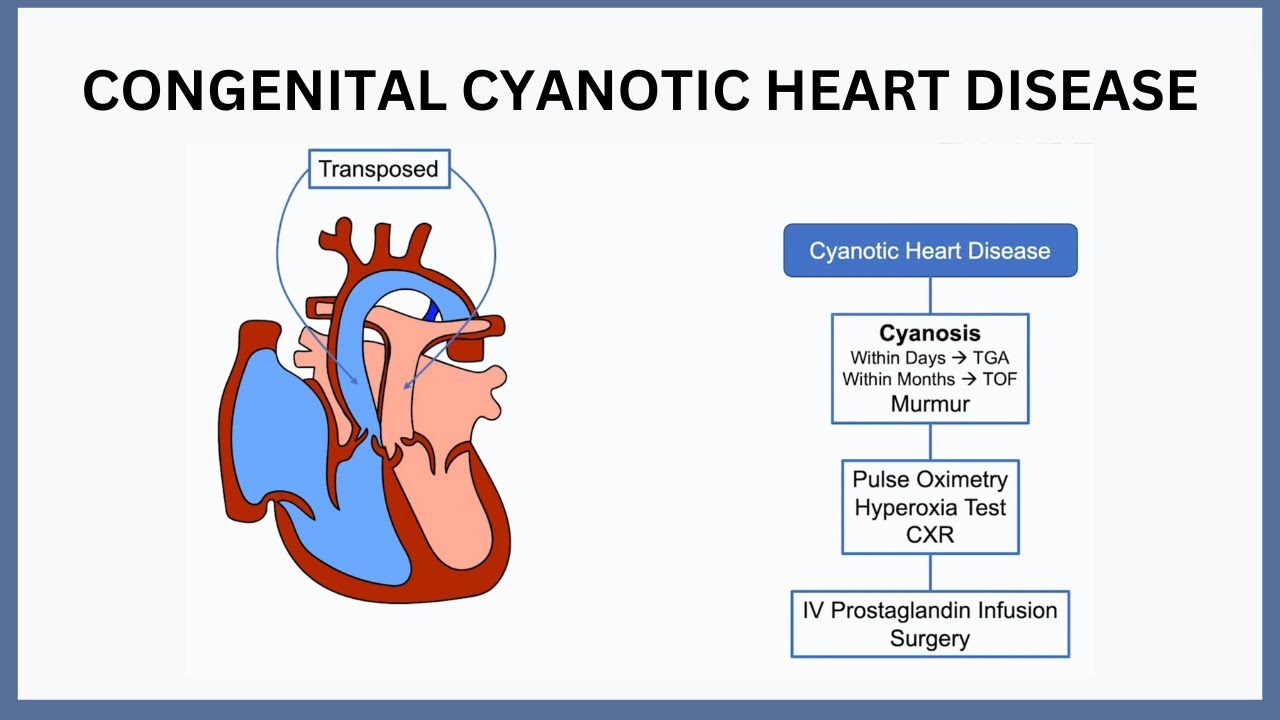
Complex Congenital Heart Disease (Complex CHD): Symptoms, Causes & Advanced Treatment
Complex Congenital Heart Disease (Complex CHD) refers to serious and complicated heart defects present at birth that involve multiple structural abnormalities in the heart. These conditions affect how blood flows through the heart and to the rest of the body.
Types of Complex CHD
Some commonly seen complex congenital heart conditions include:
- Hypoplastic Left Heart Syndrome (HLHS)
The left side of the heart is underdeveloped and cannot pump blood effectively. - Single Ventricle Defects
Only one functional pumping chamber is present instead of two. - Double Outlet Right Ventricle (DORV)
Both major arteries arise from the right ventricle, disrupting normal circulation. - Truncus Arteriosus
A single blood vessel comes out of the heart instead of two separate arteries. - Complex Tetralogy of Fallot
A severe form of Tetralogy of Fallot with additional abnormalities.
Causes of Complex CHD
In many cases, the exact cause is unknown. Possible contributing factors include:
- Genetic disorders or chromosomal abnormalities
- Family history of congenital heart disease
- Maternal infections during pregnancy
- Exposure to alcohol, drugs, or harmful chemicals
- Poor maternal health or nutrition
Symptoms of Complex CHD
Symptoms often appear early in life and may be severe:
- Bluish discoloration of skin (cyanosis)
- Difficulty breathing or rapid breathing
- Poor feeding and failure to thrive
- Excessive sweating, especially during feeding
- Fatigue or low energy levels
- Delayed growth and development
In some cases, symptoms may worsen over time if not treated.
When Should You See a Doctor?
Seek immediate medical care if:
- A newborn appears blue or has breathing difficulty
- The baby is not feeding well or gaining weight
- There are repeated chest infections
- The child tires easily or faints
Early diagnosis and treatment are critical for survival.
Diagnosis of Complex CHD
Advanced diagnostic tools are used to understand the condition:
- Fetal Echocardiography – Detects heart defects before birth
- Echocardiography (2D Echo) – Primary diagnostic test
- Pulse Oximetry – Measures oxygen levels
- Electrocardiogram (ECG) – Evaluates heart rhythm
- Chest X-ray – Checks heart and lungs
- Cardiac MRI/CT Scan – Detailed imaging
- Cardiac Catheterization – Measures blood flow and pressures
Treatment Options for Complex CHD
Treatment is usually multi-stage and highly specialized:
- Medical Management
Medications help stabilize the child before surgery and manage symptoms. - Interventional Procedures
Catheter-based techniques may be used to improve blood flow or correct certain defects. - Staged Surgeries
Many complex heart conditions require multiple surgeries over time, such as:- Norwood Procedure (for HLHS)
- Glenn Shunt
- Fontan Procedure
- Heart Transplant (Rare Cases)
In severe cases where repair is not possible, a heart transplant may be considered.
Recovery and Long-Term Care
Children with Complex CHD need lifelong follow-up with a cardiologist. With proper care:
- Many children can grow and live active lives
- Regular monitoring is essential
- Some activity restrictions may be advised
- Ongoing medications may be required
Possible Complications
If not treated or monitored properly, Complex CHD can lead to:
- Heart failure
- Severe oxygen deficiency
- Growth and developmental delays
- Irregular heart rhythms
- Increased risk of infections
Can Complex CHD Be Prevented?
Not all cases can be prevented, but risk can be reduced by:
- Regular antenatal check-ups
- Avoiding alcohol and smoking during pregnancy
- Vaccination against infections (like rubella)
- Managing maternal health conditions
- Genetic counseling for high-risk families