Cardiac Tumors and RSOV: Symptoms, Causes & Advanced Treatment
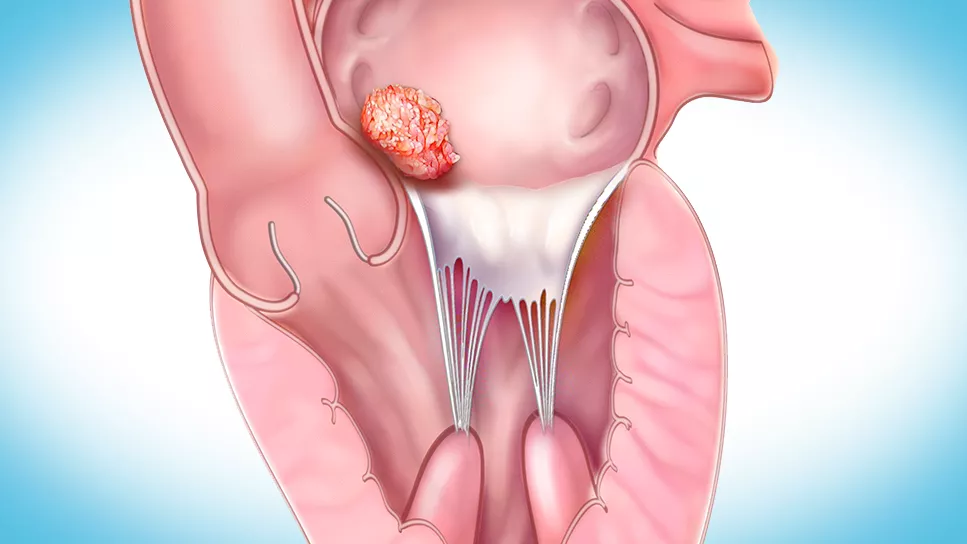
Cardiac Tumors are abnormal growths that develop in or around the heart. They can be benign (non-cancerous) or malignant (cancerous), though most heart tumors are benign.
RSOV (Ruptured Sinus of Valsalva) is a rare but serious heart condition where a bulge (aneurysm) in the aorta ruptures into a heart chamber, causing abnormal blood flow and requiring urgent medical attention.
Both conditions affect normal heart function and often require timely diagnosis and surgical treatment.
Types of Cardiac Tumors
- Benign Cardiac Tumors (Most Common)
Myxoma (most common primary heart tumor)
Lipoma
Fibroma - Malignant Cardiac Tumors (Rare)
Sarcomas
Lymphomas
Benign tumors can still be dangerous if they interfere with blood flow or heart valves.
What is RSOV (Ruptured Sinus of Valsalva)?
RSOV occurs when a weakened part of the aorta (sinus of Valsalva) ruptures into a nearby heart chamber. This leads to:
- Sudden abnormal blood flow
- Increased workload on the heart
- Risk of heart failure if untreated
It may be congenital (present from birth) or acquired due to infection or trauma.
Causes of Cardiac Tumors and RSOV
Cardiac Tumors:
- Genetic factors
- Unknown causes (most common)
- Spread of cancer from other organs (secondary tumors)
RSOV:
- Congenital weakness in the aortic wall
- Infection (like endocarditis)
- Trauma or injury
- Connective tissue disorders
Symptoms of Cardiac Tumors
Symptoms depend on size and location:
- Shortness of breath
- Chest pain
- Fatigue
- Irregular heartbeat
- Fainting episodes
- Stroke-like symptoms (in some cases)
Symptoms of RSOV
RSOV may present suddenly with:
- Sudden chest pain
- Breathlessness
- Rapid heartbeat
- Fatigue
- Signs of heart failure (swelling, fluid buildup)
When Should You See a Doctor?
Seek immediate medical care if you have:
- Sudden chest pain or breathlessness
- Unexplained fatigue or fainting
- Irregular heart rhythm
- Symptoms of heart failure
Early diagnosis can be life-saving.
Diagnosis
Doctors may recommend:
- Echocardiography (2D Echo) – Primary test
- Transesophageal Echocardiography (TEE) – Detailed imaging
- CT Scan / MRI – To detect tumors or rupture
- Electrocardiogram (ECG) – Checks heart rhythm
- Cardiac Catheterization – Measures blood flow and pressure
Treatment Options
For Cardiac Tumors:
- Surgical Removal
Main treatment for most tumors
Especially important for myxomas to prevent complications - Chemotherapy/Radiotherapy
Used for malignant tumors
For RSOV:
- Emergency Stabilization
Medications to control symptoms - Surgical Repair
Closing the rupture using a patch
Restoring normal blood flow - Catheter-Based Closure (Selected Cases)
Minimally invasive option in some patients
Benefits of Early Treatment
- Prevents heart failure
- Reduces risk of complications
- Restores normal heart function
- Improves survival and quality of life
Risks and Complications
If untreated, these conditions can lead to:
- Heart failure
- Stroke
- Severe arrhythmias
- Sudden cardiac death
However, with timely treatment, outcomes are highly favorable.
Recovery After Surgery
- Hospital Stay
Typically 5–7 days - Full Recovery
Around 4–8 weeks
Recovery Tips
- Follow medications strictly
- Maintain a healthy lifestyle
- Attend regular follow-ups
- Avoid strenuous activity initially