Peripheral Vascular Procedures: Advanced Treatment for Blood Flow Disorders in Limbs
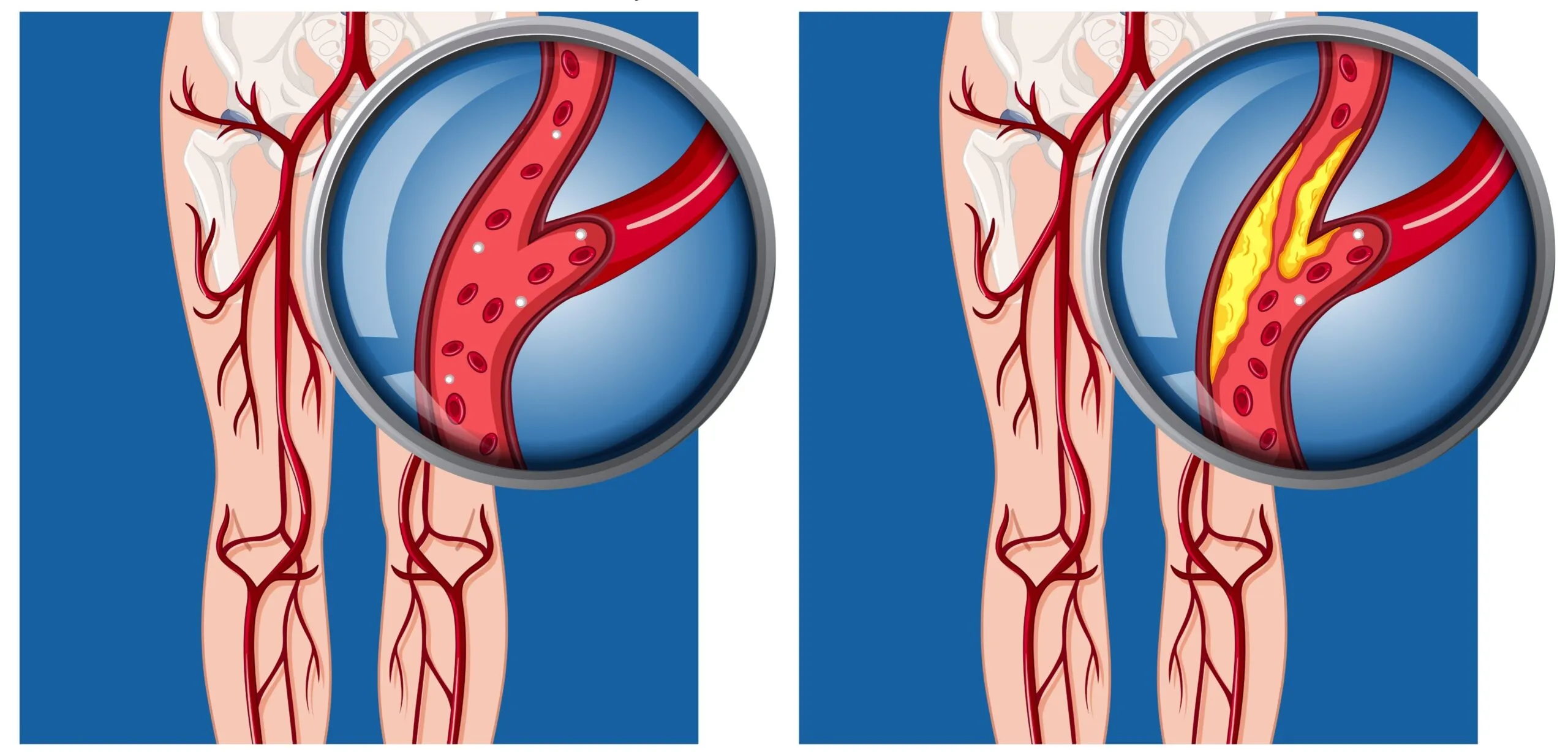
Peripheral Vascular Procedures are treatments used to improve blood flow in arteries and veins outside the heart and brain, especially in the legs, arms, and peripheral organs.
These procedures help manage conditions like blocked arteries, blood clots, and poor circulation, preventing serious complications such as pain, ulcers, or limb loss.
What Conditions Do These Procedures Treat?
Peripheral vascular procedures are used to treat:
- Peripheral Artery Disease (PAD)
- Critical Limb Ischemia (severe blockage in arteries)
- Deep Vein Thrombosis (DVT)
- Varicose Veins and Venous Insufficiency
- Diabetic Foot and Non-Healing Ulcers
- Arterial Blockages in Legs or Arms
Symptoms of Peripheral Vascular Disease
You may need evaluation if you experience:
- Leg pain while walking (claudication)
- Numbness or weakness in limbs
- Cold or pale feet
- Slow-healing wounds or ulcers
- Swelling in legs
- Skin discoloration
- Reduced pulse in feet
Types of Peripheral Vascular Procedures
- Angioplasty and Stenting
- A balloon is used to open blocked arteries
- A stent is placed to keep the artery open
- Atherectomy
Removal of plaque from artery walls using special devices - Bypass Surgery
Creating a new pathway for blood flow using a graft - Thrombolysis
Medications used to dissolve blood clots - Endovenous Treatments
Minimally invasive procedures for vein conditions (e.g., EVLA)
How are These Procedures Performed?
- Most procedures are minimally invasive
- A catheter is inserted through a small incision (usually in the groin or arm)
- Imaging guidance is used to treat the affected blood vessel
- Some complex cases may require open surgery
Benefits of Peripheral Vascular Procedures
- Restores proper blood circulation
- Reduces pain and discomfort
- Promotes healing of wounds and ulcers
- Prevents amputation
- Minimally invasive options offer faster recovery
- Improves mobility and quality of life
Who is the Ideal Candidate?
These procedures are suitable for:
- Patients with blocked or narrowed arteries
- Individuals with diabetes and poor circulation
- Patients with non-healing wounds
- People with blood clots or venous diseases
Your doctor will recommend the best procedure based on your condition.
Risks of Peripheral Vascular Procedures
Although generally safe, possible risks include:
- Bleeding
- Infection
- Blood clots
- Re-narrowing of arteries (restenosis)
With modern techniques, complication rates are low.
Recovery After the Procedure
Hospital Stay
- Minimally invasive: Same day or 1–2 days
- Open surgery: 5–7 days
Full Recovery Time
- Minimally invasive: 1–2 weeks
- Open surgery: 4–6 weeks
Recovery Tips
- Walk regularly to improve circulation
- Take medications as prescribed
- Control blood sugar and blood pressure
- Maintain a healthy diet
- Avoid smoking
Life After Peripheral Vascular Treatment
Patients can expect:
- Improved blood flow
- Reduced pain and swelling
- Better wound healing
- Enhanced mobility and daily function
Long-term success depends on lifestyle changes and regular follow-ups.