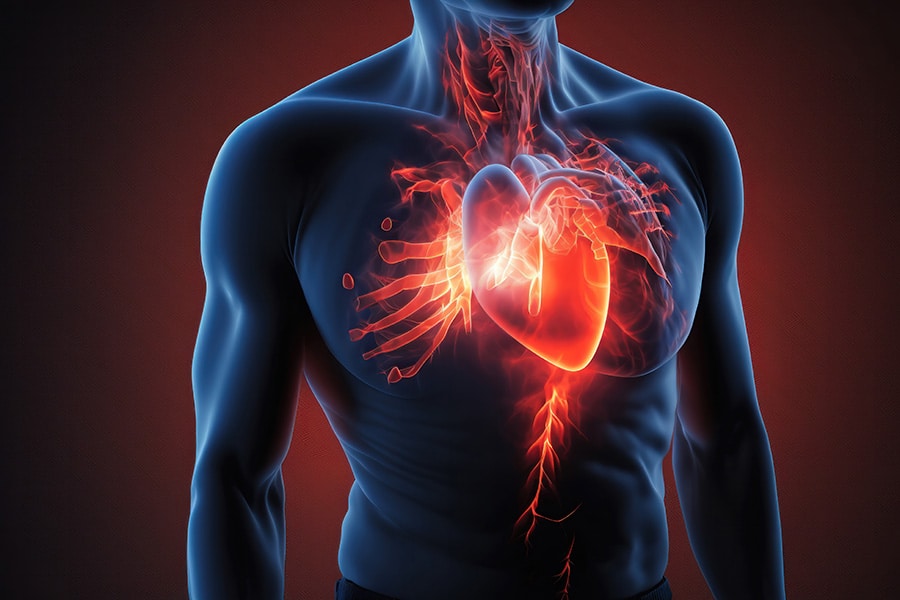
Cardiac Trauma: Emergency Care for Heart Injuries
Cardiac Trauma refers to injury to the heart caused by external force or penetrating objects, often occurring in road accidents, falls, or violent injuries. It is a life-threatening emergency that requires immediate medical attention.
The injury can affect the heart muscle, valves, blood vessels, or surrounding structures, leading to serious complications if not treated quickly.
Types of Cardiac Trauma
- Blunt Cardiac Trauma
- Caused by impact (e.g., road traffic accidents, falls)
- Can lead to bruising of the heart (cardiac contusion)
- Penetrating Cardiac Trauma
- Caused by sharp objects (knife wounds, gunshot injuries)
- Direct damage to the heart structure
- Iatrogenic Trauma
Rare injuries occurring during medical procedures
Causes of Cardiac Trauma
- Road traffic accidents
- Falls from height
- Sports injuries
- Assault or violent injuries
- Industrial accidents
Symptoms of Cardiac Trauma
Symptoms can vary depending on severity:
- Chest pain
- Shortness of breath
- Rapid or irregular heartbeat
- Low blood pressure
- Fainting or dizziness
- Signs of shock (cold, clammy skin)
In severe cases, symptoms may appear suddenly and worsen rapidly.
Why is Cardiac Trauma Dangerous?
Cardiac trauma can cause:
- Internal bleeding
- Damage to heart chambers or valves
- Cardiac tamponade (fluid around the heart)
- Heart rhythm disturbances
- Sudden cardiac arrest
Without immediate treatment, it can be fatal.
When Should You Seek Emergency Care?
Seek urgent medical help if:
- There is chest injury after an accident
- The patient has difficulty breathing
- There is loss of consciousness
- Signs of shock are present
This condition requires immediate emergency care.
Diagnosis of Cardiac Trauma
Doctors use rapid diagnostic tests such as:
- Echocardiography (FAST/2D Echo) – Detects fluid or injury
- CT Scan – Detailed imaging of chest and heart
- Chest X-ray – Initial evaluation
- Electrocardiogram (ECG) – Detects heart rhythm problems
- Blood Tests – Check for cardiac injury markers
Treatment of Cardiac Trauma
- Emergency Stabilization
- Oxygen therapy
- IV fluids and medications to support blood pressure
- Monitoring in ICU
- Surgical Treatment
- Repair of heart injury
- Control of bleeding
- Removal of blood/fluid around the heart
- Minimally Invasive Procedures
- In selected cases, catheter-based interventions may be used
Benefits of Early Treatment
- Prevents life-threatening complications
- Improves survival chances
- Preserves heart function
- Reduces long-term damage
Risks and Complications
If not treated promptly, cardiac trauma can lead to:
- Cardiac arrest
- Severe bleeding
- Stroke
- Organ failure
Recovery After Cardiac Trauma
- Hospital Stay: Depends on severity (5–14 days or more)
- Full Recovery Time: Several weeks to months
Recovery Tips
- Follow medical advice strictly
- Attend follow-up visits
- Gradually resume activity
- Maintain a healthy lifestyle
Life After Cardiac Trauma
Most patients can recover well with proper treatment, but:
- Regular monitoring is essential
- Lifestyle changes may be required
- Cardiac rehabilitation may be recommended