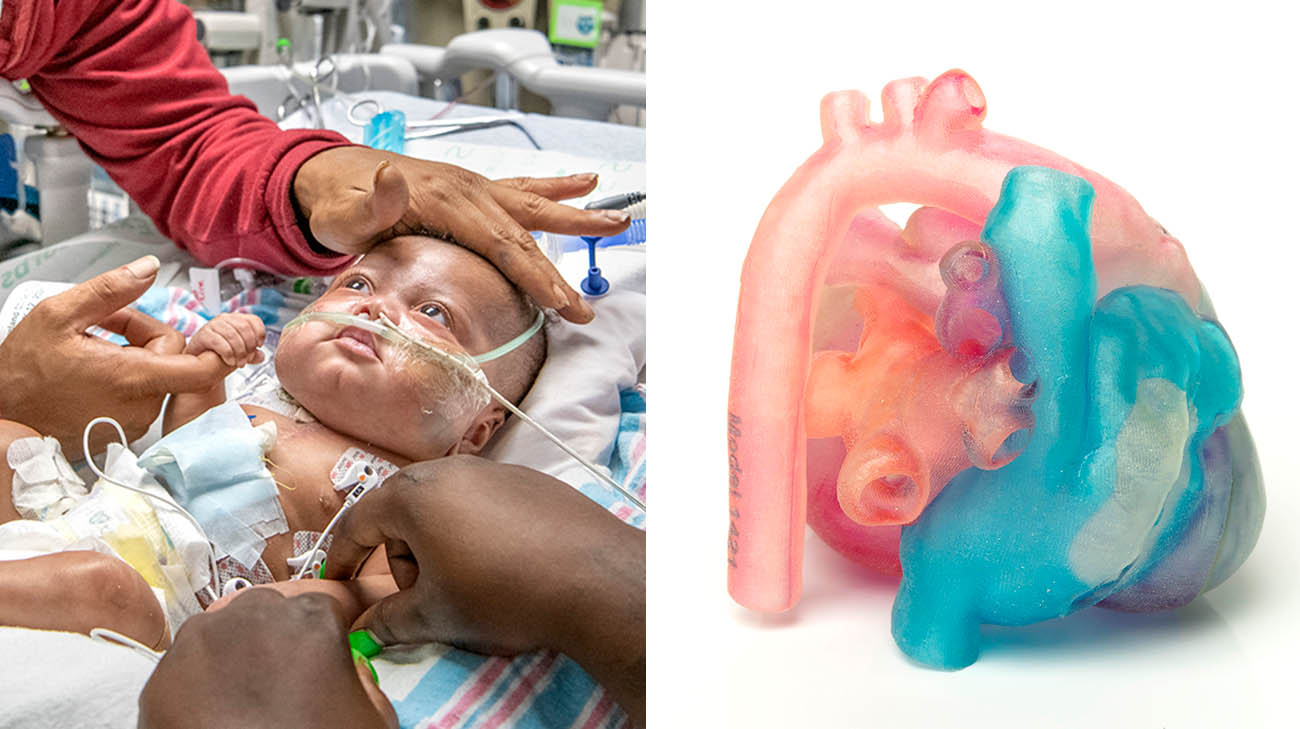
Pediatric Congenital Heart Surgery: Advanced Care for Children with Heart Defects
Pediatric Congenital Heart Surgery involves surgical correction of heart defects present at birth (congenital heart defects) in infants, children, and sometimes adolescents.
These procedures aim to restore normal heart structure and function, allowing children to grow, develop, and live healthy lives.
What are Congenital Heart Defects?
Congenital heart defects (CHDs) are abnormalities in the heart’s structure that develop before birth. They may affect:
- Heart walls (septum)
- Heart valves
- Blood vessels
- Blood flow patterns
CHDs can range from simple to complex conditions.
Common Conditions Treated
Pediatric cardiac surgery treats a wide range of conditions, including:
- Atrial Septal Defect (ASD)
- Ventricular Septal Defect (VSD)
- Tetralogy of Fallot (TOF)
- Patent Ductus Arteriosus (PDA)
- Transposition of Great Arteries (TGA)
- Complex Congenital Heart Disease (CHD)
Symptoms of Congenital Heart Defects
Symptoms may vary depending on severity:
In Infants:
- Bluish skin (cyanosis)
- Difficulty feeding
- Poor weight gain
- Rapid breathing
In Older Children:
- Fatigue
- Shortness of breath
- Delayed growth
- Frequent respiratory infections
When is Surgery Required?
Surgery is recommended when:
- The defect affects normal blood flow
- Oxygen levels are low
- The child shows symptoms
- There is risk of complications if untreated
Some defects may require early surgery in infancy, while others can be corrected later.
Types of Pediatric Heart Surgeries
- Open-Heart Surgery
Performed using a heart-lung machine
Used for complex defects - Minimally Invasive Surgery
Smaller incisions and faster recovery
Suitable for selected conditions - Catheter-Based Procedures
Non-surgical interventions using a catheter
Used for ASD, PDA, and some valve conditions
How is the Surgery Performed?
- Conducted under general anesthesia
- Surgeons repair or reconstruct the heart defect
- Advanced monitoring ensures safety throughout the procedure
Benefits of Pediatric Congenital Heart Surgery
- Corrects heart defects
- Improves oxygen levels
- Supports normal growth and development
- Enhances quality of life
- Prevents long-term complications
Risks of Pediatric Heart Surgery
Although generally safe, risks may include:
- Bleeding
- Infection
- Heart rhythm disturbances
- Need for additional procedures
With modern techniques, outcomes are highly successful.
Recovery After Surgery
- Hospital Stay: Typically 5–10 days (may vary)
- Full Recovery: Around 4–8 weeks
Recovery Tips for Parents
- Follow medication instructions carefully
- Maintain proper nutrition for the child
- Keep follow-up appointments
- Monitor for any unusual symptoms
Life After Pediatric Heart Surgery
Most children:
- Lead active, normal lives
- Attend school and participate in activities
- Show improved growth and development
- Require periodic follow-up care
Long-Term Outlook
With timely surgery:
- Survival rates are very high
- Most children achieve normal development
- Lifelong monitoring ensures continued heart health