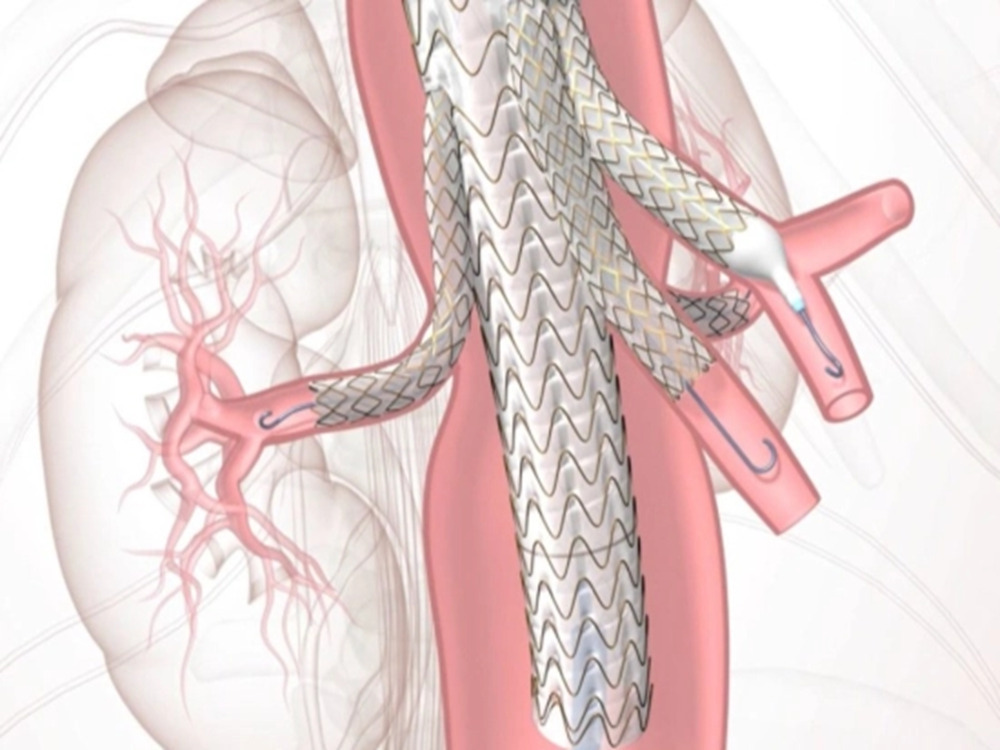
EVAR & TEVAR: Minimally Invasive Treatment for Aortic Aneurysms
EVAR (Endovascular Aneurysm Repair) and TEVAR (Thoracic Endovascular Aortic Repair) are minimally invasive procedures used to treat aortic aneurysms and certain types of aortic dissections.
Instead of open surgery, these procedures use a stent graft placed inside the aorta through a catheter, helping to reinforce the weakened artery and prevent rupture.
Difference Between EVAR and TEVAR
| Procedure | Area Treated |
|---|---|
| EVAR | Abdominal aortic aneurysm (AAA) |
| TEVAR | Thoracic aortic aneurysm (TAA) |
Both techniques follow a similar approach but are used for different parts of the aorta.
Why are EVAR & TEVAR Performed?
These procedures are recommended when:
- The aneurysm is large or growing rapidly
- There is a risk of rupture
- The patient has symptoms
- The patient is high-risk for open surgery
- In selected cases of aortic dissection
Symptoms of Aortic Aneurysm
Many aneurysms are silent, but symptoms may include:
- Deep chest, back, or abdominal pain
- Pulsating sensation in the abdomen
- Shortness of breath
- Sudden severe pain (emergency sign of rupture)
How are EVAR & TEVAR Performed?
- Performed under local or general anesthesia
- A small incision is made in the groin
- A catheter is inserted into the blood vessel
- A stent graft is guided to the affected area
- The graft expands and seals the aneurysm
⏱️ Procedure Time: 1–3 hours
Benefits of EVAR & TEVAR
- Minimally invasive (no large incision)
- Less pain and blood loss
- Shorter hospital stay
- Faster recovery
- Lower risk compared to open surgery
- Suitable for elderly or high-risk patients
Who is the Ideal Candidate?
EVAR and TEVAR are suitable for:
- Patients with abdominal or thoracic aortic aneurysm
- Individuals unfit for open surgery
- Elderly patients
- Patients requiring faster recovery
Not all aneurysms are suitable—your doctor will evaluate anatomy and condition.
Risks of EVAR & TEVAR
Although generally safe, possible risks include:
- Endoleak (leak around the stent graft)
- Blood vessel injury
- Infection
- Kidney complications
- Need for future procedures
Regular follow-up is essential to monitor the graft.
Recovery After EVAR & TEVAR
- Hospital Stay: Usually 2–4 days
- Full Recovery: Around 1–3 weeks
Recovery Tips
- Walk regularly to improve circulation
- Take medications as prescribed
- Avoid heavy lifting temporarily
- Maintain blood pressure control
- Attend follow-up imaging tests
EVAR/TEVAR vs Open Aneurysm Surgery
| Feature | EVAR/TEVAR | Open Surgery |
|---|---|---|
| Incision | Small | Large |
| Pain | Less | More |
| Recovery Time | Faster | Longer |
| Hospital Stay | Shorter | Longer |
| Risk | Lower (in high-risk patients) | Higher |
Life After EVAR & TEVAR
Patients can expect:
- Reduced risk of aneurysm rupture
- Improved safety and survival
- Quick return to normal activities
- Need for periodic imaging follow-up