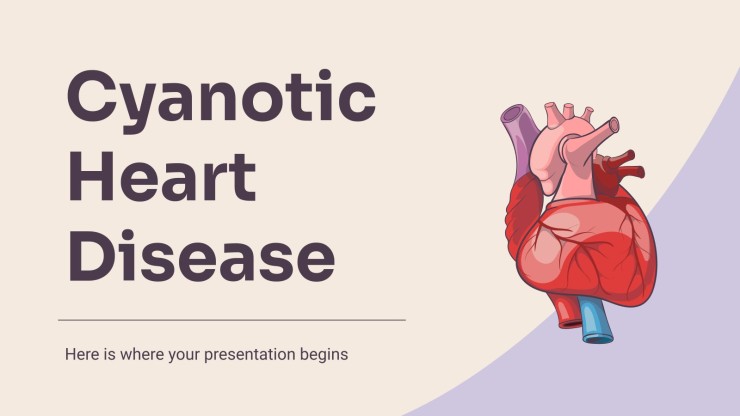
Cyanotic Heart Disease: Symptoms, Causes, Types & Treatment
Cyanotic Heart Disease is a group of serious congenital (birth-related) heart defects where the heart cannot supply enough oxygen-rich blood to the body. As a result, the skin, lips, and nails may appear bluish (a condition called cyanosis).
Types of Cyanotic Heart Disease
Common types include:
- Tetralogy of Fallot (TOF)
A combination of four heart defects that reduce oxygen levels in the blood. - Transposition of the Great Arteries (TGA)
The two main arteries leaving the heart are reversed, affecting blood circulation. - Tricuspid Atresia
The tricuspid valve is missing or not developed properly. - Pulmonary Atresia
The pulmonary valve does not form correctly, blocking blood flow to the lungs. - Total Anomalous Pulmonary Venous Connection (TAPVC)
Pulmonary veins connect abnormally to the heart, affecting oxygen supply.
Causes of Cyanotic Heart Disease
In most cases, the exact cause is unknown, but possible factors include:
- Genetic conditions (like Down syndrome)
- Family history of congenital heart disease
- Maternal infections during pregnancy (e.g., rubella)
- Alcohol or drug use during pregnancy
- Poor maternal nutrition
Symptoms of Cyanotic Heart Disease
Symptoms often appear soon after birth or in early childhood:
- Bluish skin, lips, or nails (cyanosis)
- Rapid breathing or difficulty breathing
- Poor feeding in infants
- Delayed growth and development
- Fatigue or weakness
- Clubbing (widening of fingertips) in older children
- Fainting or “blue spells” during crying or feeding
When Should You See a Doctor?
Seek immediate medical attention if:
- A newborn has bluish discoloration
- Breathing is fast or labored
- Feeding problems or poor weight gain
- Episodes of fainting or severe weakness
Early diagnosis is critical for life-saving treatment.
Diagnosis of Cyanotic Heart Disease
Doctors use advanced tests to confirm the condition:
- Echocardiography (2D Echo) – Primary test to detect heart defects
- Pulse Oximetry – Measures oxygen levels in blood
- Electrocardiogram (ECG) – Evaluates heart rhythm
- Chest X-ray – Shows heart size and lung condition
- Cardiac CT/MRI – Detailed imaging
- Cardiac Catheterization – Measures blood flow and pressure
Treatment Options
Treatment depends on the type and severity of the condition:
- Emergency Care
Newborns may need oxygen support or medications immediately after birth. - Medications
Used to stabilize the patient and manage symptoms before surgery. - Interventional Procedures
Catheter-based treatments may help improve blood flow in certain cases. - Surgery
Most cyanotic heart defects require early surgical correction, such as:
- Complete repair of heart defects
- Creating pathways for proper blood flow
- Valve repair or reconstruction
Some children may need multiple surgeries over time.
Recovery and Long-Term Outlook
With timely treatment, many children grow up to live healthy and active lives. Regular follow-ups with a heart specialist are essential for monitoring long-term heart function.
Possible Complications (If Untreated)
Without proper treatment, cyanotic heart disease can lead to:
- Severe oxygen deficiency
- Heart failure
- Brain complications (stroke or abscess)
- Delayed physical and mental development
- Life-threatening conditions
Can Cyanotic Heart Disease Be Prevented?
Not all cases can be prevented, but risks can be reduced by:
- Proper prenatal care
- Vaccination against infections like rubella
- Avoiding alcohol, smoking, and harmful drugs during pregnancy
- Managing chronic diseases in the mother
- Genetic counseling when needed