Coronary Artery Bypass Grafting (CABG): Procedure, Benefits, Risks & Recovery
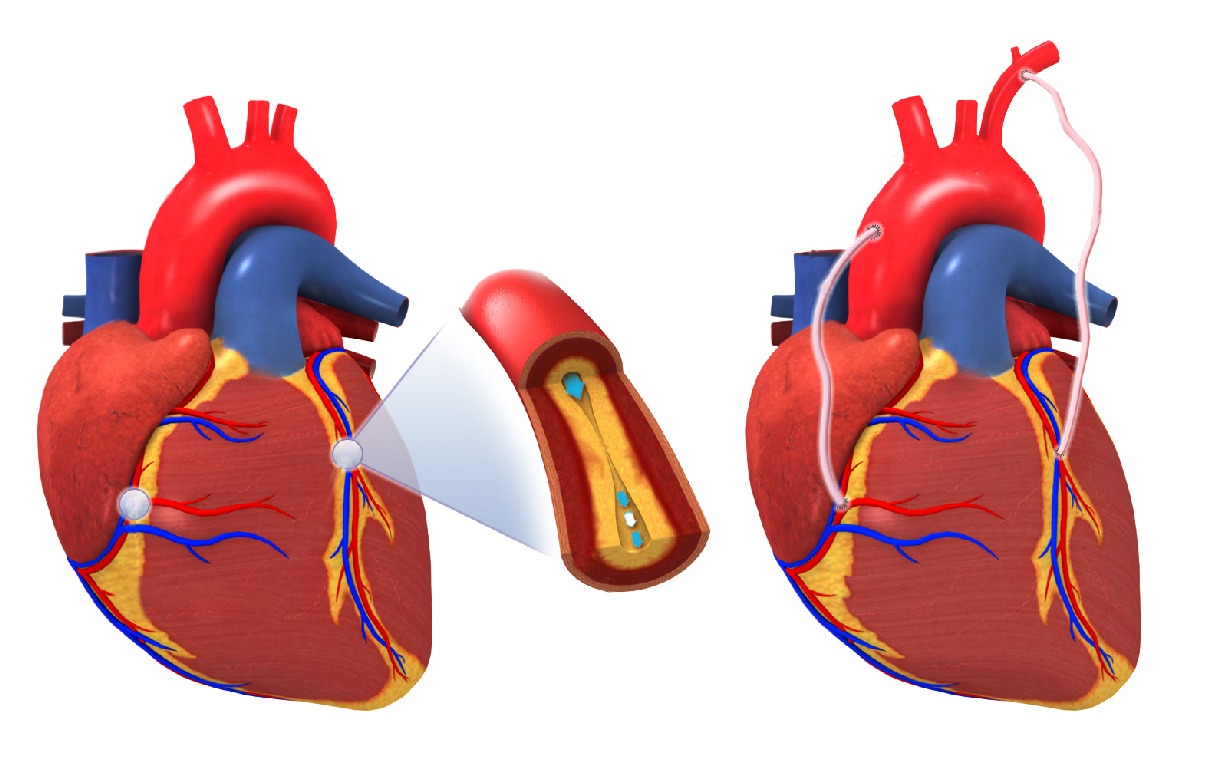
Coronary Artery Bypass Grafting (CABG), commonly known as heart bypass surgery, is a procedure used to treat blocked or narrowed coronary arteries. These arteries supply blood to the heart muscle.
In CABG, the surgeon takes a healthy blood vessel from another part of the body (like the leg, arm, or chest) and creates a new pathway (bypass) for blood to flow around the blocked artery, improving oxygen supply to the heart.
Why is CABG Needed?
CABG is recommended when:
- There are severe blockages in coronary arteries
- You have chest pain (angina) not relieved by medication
- There is a high risk of heart attack
- Multiple arteries are affected
- Angioplasty or stenting is not suitable
Symptoms of Blocked Heart Arteries
You may need CABG if you experience:
- Chest pain or discomfort
- Shortness of breath
- Fatigue or weakness
- Pain in the arms, neck, jaw, or back
- Irregular heartbeat
Types of CABG Surgery
- Traditional (On-Pump) CABG
Performed using a heart-lung machine while the heart is temporarily stopped. - Off-Pump CABG (Beating Heart Surgery)
Performed while the heart is still beating, without using a heart-lung machine. - Minimally Invasive CABG
Done through smaller incisions, leading to faster recovery and less pain.
How is CABG Performed?
- The patient is given general anesthesia
- A blood vessel (graft) is taken from the leg (saphenous vein), chest (internal mammary artery), or arm
- The surgeon attaches the graft to bypass the blocked artery
- Blood flow is restored to the heart muscle
The surgery usually takes 3–6 hours, depending on complexity.
Benefits of CABG Surgery
- Improves blood flow to the heart
- Relieves chest pain (angina)
- Reduces risk of heart attack
- Improves quality of life
- Increases survival in severe heart disease
Risks of CABG Surgery
Like any major surgery, CABG has some risks, including:
- Infection
- Bleeding
- Stroke
- Heart rhythm problems
- Kidney issues (rare)
However, with experienced surgeons and modern facilities, the procedure is generally safe and highly successful.
Recovery After CABG Surgery
Hospital Stay
Usually 5–7 days, including ICU monitoring
Full Recovery Time
Around 6–12 weeks
Recovery Tips
- Follow medications strictly
- Gradually increase physical activity
- Maintain a heart-healthy diet
- Avoid smoking and alcohol
- Attend cardiac rehabilitation programs
Life After CABG Surgery
Most patients can return to a normal and active life after recovery. However, long-term success depends on:
- Healthy lifestyle habits
- Regular doctor follow-ups
- Controlling diabetes, blood pressure, and cholesterol