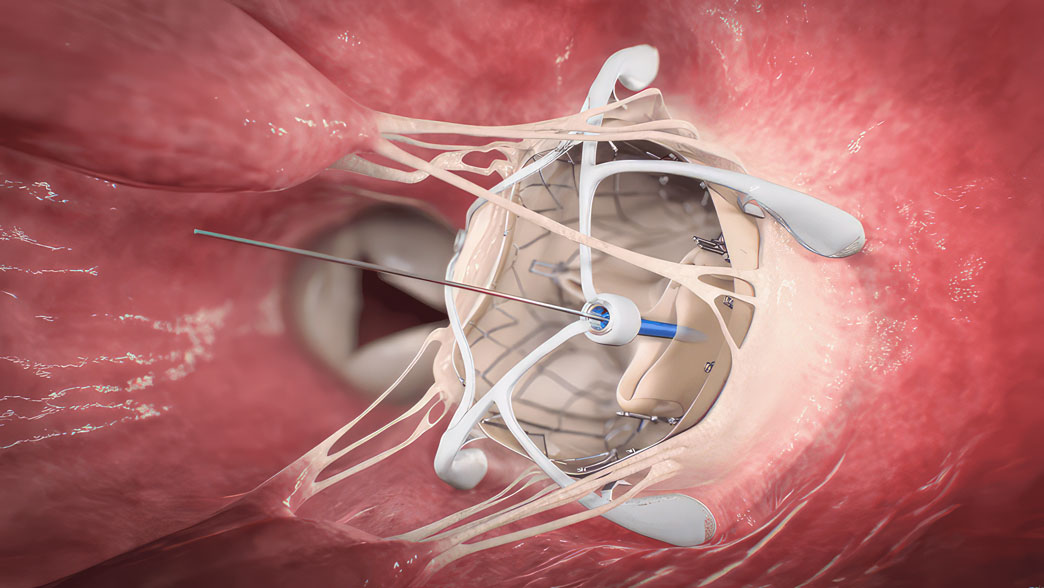
Minimally Invasive Valve Replacement: Advanced Heart Valve Surgery with Faster Recovery
Minimally Invasive Valve Replacement is a modern heart procedure where a damaged heart valve is replaced through small incisions, avoiding the need for a large chest opening.
Unlike traditional open-heart surgery, this approach uses advanced instruments, cameras, or catheter-based techniques to replace the valve with less pain, minimal scarring, and quicker recovery.
Why is Valve Replacement Needed?
This procedure is recommended when a heart valve is severely damaged due to:
- Valve Stenosis (narrowing of the valve)
- Valve Regurgitation (leakage of the valve)
- Age-related degeneration
- Congenital heart defects
- Infection (endocarditis)
Types of Minimally Invasive Valve Replacement
1. Minimally Invasive Surgical Valve Replacement
- Performed through small incisions between the ribs
- Uses specialized instruments and a camera
2. Transcatheter Valve Replacement (TAVR/TAVI)
- A non-surgical procedure done using a catheter (tube)
- Commonly used for aortic valve replacement
- Suitable for high-risk or elderly patients
Which Valves Can Be Replaced?
- Aortic Valve (most common, especially via TAVR)
- Mitral Valve
- Tricuspid Valve (in selected cases)
How is the Procedure Performed?
Minimally Invasive Surgery:
- General anesthesia is given
- Small incisions are made in the chest
- The damaged valve is removed and replaced
Transcatheter Approach:
- A catheter is inserted through a blood vessel (usually in the leg)
- The new valve is guided to the heart and placed inside the old valve
Benefits of Minimally Invasive Valve Replacement
- Smaller incisions and minimal scars
- Less pain after surgery
- Lower risk of infection
- Reduced blood loss
- Shorter hospital stay
- Faster recovery
- Better cosmetic results
Who is the Ideal Candidate?
This procedure is suitable for:
- Elderly patients or high-risk individuals
- Patients with aortic valve disease (for TAVR)
- Patients who prefer faster recovery
- Those medically fit for minimally invasive techniques
Your doctor will evaluate your condition to determine the best approach.
Risks of Minimally Invasive Valve Replacement
Although generally safe, potential risks include:
- Bleeding
- Infection
- Valve leakage or displacement (rare)
- Stroke
- Need for pacemaker (in some cases)
With experienced surgeons, outcomes are highly successful.
Recovery After the Procedure
Hospital Stay
2–5 days (shorter than traditional surgery)
Full Recovery Time
Around 2–4 weeks
Recovery Tips
- Take medications as prescribed
- Gradually increase activity levels
- Maintain a heart-healthy diet
- Attend regular follow-ups
- Avoid smoking and alcohol
Minimally Invasive vs Traditional Valve Replacement
| Feature | Minimally Invasive | Traditional Surgery |
|---|---|---|
| Incision | Small | Large |
| Pain | Less | More |
| Recovery Time | Faster | Longer |
| Hospital Stay | Shorter | Longer |
| Scarring | Minimal | Noticeable |
Life After Valve Replacement
Most patients experience:
- Improved breathing and energy
- Better heart function
- Quick return to daily activities
- Enhanced quality of life
Long-term success depends on healthy lifestyle habits and regular check-ups.