Vascular Surgery: Advanced Treatment for Blood Vessel Diseases
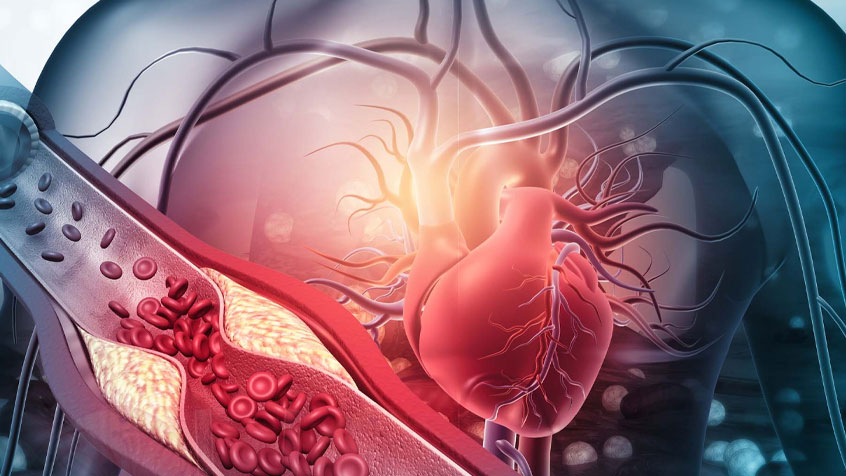
Vascular Surgery is a specialized field of medicine that focuses on the diagnosis and treatment of diseases affecting blood vessels (arteries and veins), excluding the heart and brain.
Vascular surgeons manage conditions using medications, minimally invasive procedures, and open surgery, depending on the severity of the disease.
What Conditions Does a Vascular Surgeon Treat?
Vascular surgery covers a wide range of conditions, including:
- Peripheral Artery Disease (PAD) – Narrowed arteries reducing blood flow to limbs
- Varicose Veins – Swollen, twisted veins visible under the skin
- Deep Vein Thrombosis (DVT) – Blood clots in deep veins
- Aortic Aneurysm – Bulging of the aorta
- Carotid Artery Disease – Blockage in neck arteries supplying the brain
- Diabetic Foot & Non-Healing Wounds
- Chronic Venous Insufficiency
Symptoms of Vascular Disease
You should consult a vascular specialist if you notice:
- Leg pain while walking (claudication)
- Swelling in legs or ankles
- Visible bulging veins
- Numbness or weakness in limbs
- Cold or discolored hands/feet
- Non-healing wounds or ulcers
- Sudden pain or swelling (possible blood clot)
Types of Vascular Surgery Procedures
1. Minimally Invasive (Endovascular) Procedures
- Angioplasty and Stenting
- Laser Treatment for Varicose Veins (EVLT)
- Endovascular Aneurysm Repair (EVAR/TEVAR)
- Faster recovery with smaller incisions
2. Open Vascular Surgery
- Bypass surgery for blocked arteries
- Aneurysm repair
- Removal of blood clots
3. Hybrid Procedures
- Combination of open and minimally invasive techniques
- Used for complex vascular conditions
Why is Vascular Surgery Important?
Untreated vascular diseases can lead to serious complications such as:
- Stroke
- Heart attack
- Limb loss (amputation)
- Severe infections
- Life-threatening bleeding
Early diagnosis and treatment can prevent complications and save lives.
How is Vascular Disease Diagnosed?
Doctors may recommend:
- Doppler Ultrasound – Checks blood flow
- CT Angiography / MR Angiography – Detailed imaging
- Ankle-Brachial Index (ABI) – Measures blood flow in legs
- Blood Tests – Assess risk factors
Benefits of Vascular Surgery
- Restores proper blood circulation
- Reduces pain and swelling
- Prevents serious complications
- Improves mobility and quality of life
- Offers minimally invasive treatment options
Risks of Vascular Surgery
Like any medical procedure, risks may include:
- Bleeding
- Infection
- Blood clots
- Recurrence of disease
With modern techniques, most procedures are safe and effective.
Recovery After Vascular Surgery
Hospital Stay
- Minimally invasive: 1–3 days
- Open surgery: 5–7 days
Full Recovery Time
- Minimally invasive: 1–3 weeks
- Open surgery: 4–8 weeks
Recovery Tips
- Follow medications strictly
- Walk regularly to improve circulation
- Maintain a healthy diet
- Control diabetes, blood pressure, and cholesterol
- Avoid smoking
Life After Vascular Surgery
Patients can lead a healthy and active life by:
- Adopting a heart-healthy lifestyle
- Exercising regularly
- Monitoring risk factors
- Attending regular follow-ups