Minimally Invasive Cardiac Surgery: Advanced Heart Treatment with Faster Recovery
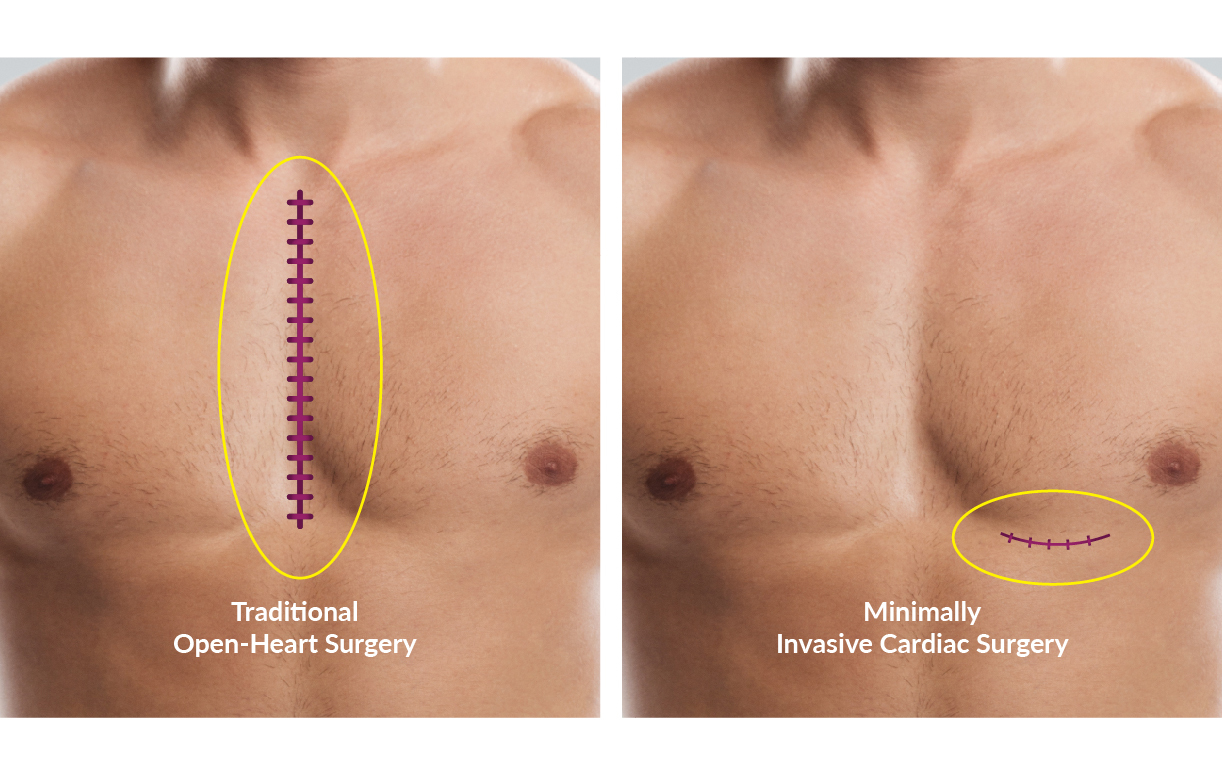
Minimally Invasive Cardiac Surgery (MICS) is an advanced technique where heart procedures are performed through small incisions instead of a large chest opening (sternotomy). Surgeons use specialized instruments, cameras, and sometimes robotic assistance to operate on the heart with high precision.
This approach offers less pain, faster recovery, and better cosmetic results compared to traditional open-heart surgery.
What Conditions Can Be Treated with MICS?
Minimally invasive techniques can be used for:
- Heart valve repair and replacement (mitral, aortic, tricuspid)
- Coronary artery bypass surgery (selected cases)
- Closure of congenital heart defects (ASD, VSD)
- Atrial fibrillation surgery
- Cardiac tumor removal
How is Minimally Invasive Cardiac Surgery Performed?
- Surgery is done under general anesthesia
- Small incisions (usually 2–5 cm) are made between the ribs
- A camera (endoscope) provides a clear view of the heart
- Specialized instruments are used to perform the procedure
- In some cases, robot-assisted surgery is used for greater precision
Benefits of Minimally Invasive Cardiac Surgery
- Smaller incisions and minimal scarring
- Less pain after surgery
- Reduced blood loss
- Lower risk of infection
- Shorter hospital stay
- Faster recovery and return to normal life
- Better cosmetic outcomes
Who is the Ideal Candidate?
MICS is suitable for patients with specific heart valve diseases, selected coronary artery disease cases, those medically fit for surgery, and individuals seeking faster recovery. However, not all patients are candidates. Your surgeon will evaluate your condition and recommend the best approach.
Risks of Minimally Invasive Cardiac Surgery
- Bleeding
- Infection
- Irregular heart rhythm
- Conversion to open surgery (in rare cases)
With experienced surgeons, complication rates are very low.
Recovery After Minimally Invasive Surgery
Hospital Stay: Usually 3–5 days
Full Recovery Time: Around 2–4 weeks, much faster than traditional surgery
Recovery Tips
- Follow medication guidelines
- Start light activity early (as advised)
- Maintain a healthy diet
- Attend follow-up appointments
- Participate in cardiac rehabilitation
Minimally Invasive vs Traditional Open-Heart Surgery
Feature comparison:
| Feature | Minimally Invasive Surgery | Open-Heart Surgery |
|---|---|---|
| Incision Size | Small | Large (chest opened) |
| Pain | Less | More |
| Recovery Time | Faster | Longer |
| Hospital Stay | Shorter | Longer |
| Scarring | Minimal | Noticeable |
Life After Minimally Invasive Cardiac Surgery
Most patients return to normal activities quickly, experience improved heart function, and have a better quality of life. Regular follow-ups are recommended for long-term care.