Heart Valve Replacement: Procedure, Types, Benefits & Recovery
Heart Valve Replacement is a surgical procedure in which a damaged or diseased heart valve is replaced with a new artificial or biological valve. Heart valves control the flow of blood through the heart, and when they don’t work properly, it can affect overall heart function.
This surgery helps restore normal blood flow, improve symptoms, and prevent serious complications.
Why is Heart Valve Replacement Needed?
Valve replacement is recommended when a valve is severely damaged due to:
- Valve Stenosis (narrowing of the valve)
- Valve Regurgitation (leakage of the valve)
- Congenital heart defects (present from birth)
- Infection (endocarditis)
- Age-related degeneration
Common Heart Valves Replaced
- Aortic Valve – Controls blood flow from heart to body
- Mitral Valve – Controls blood flow between left chambers
- Pulmonary Valve – Controls flow to the lungs
- Tricuspid Valve – Controls flow on the right side of the heart
Symptoms of Heart Valve Disease
You may need valve replacement if you experience:
- Shortness of breath
- Chest pain
- Fatigue or weakness
- Swelling in legs or feet
- Irregular heartbeat
- Dizziness or fainting
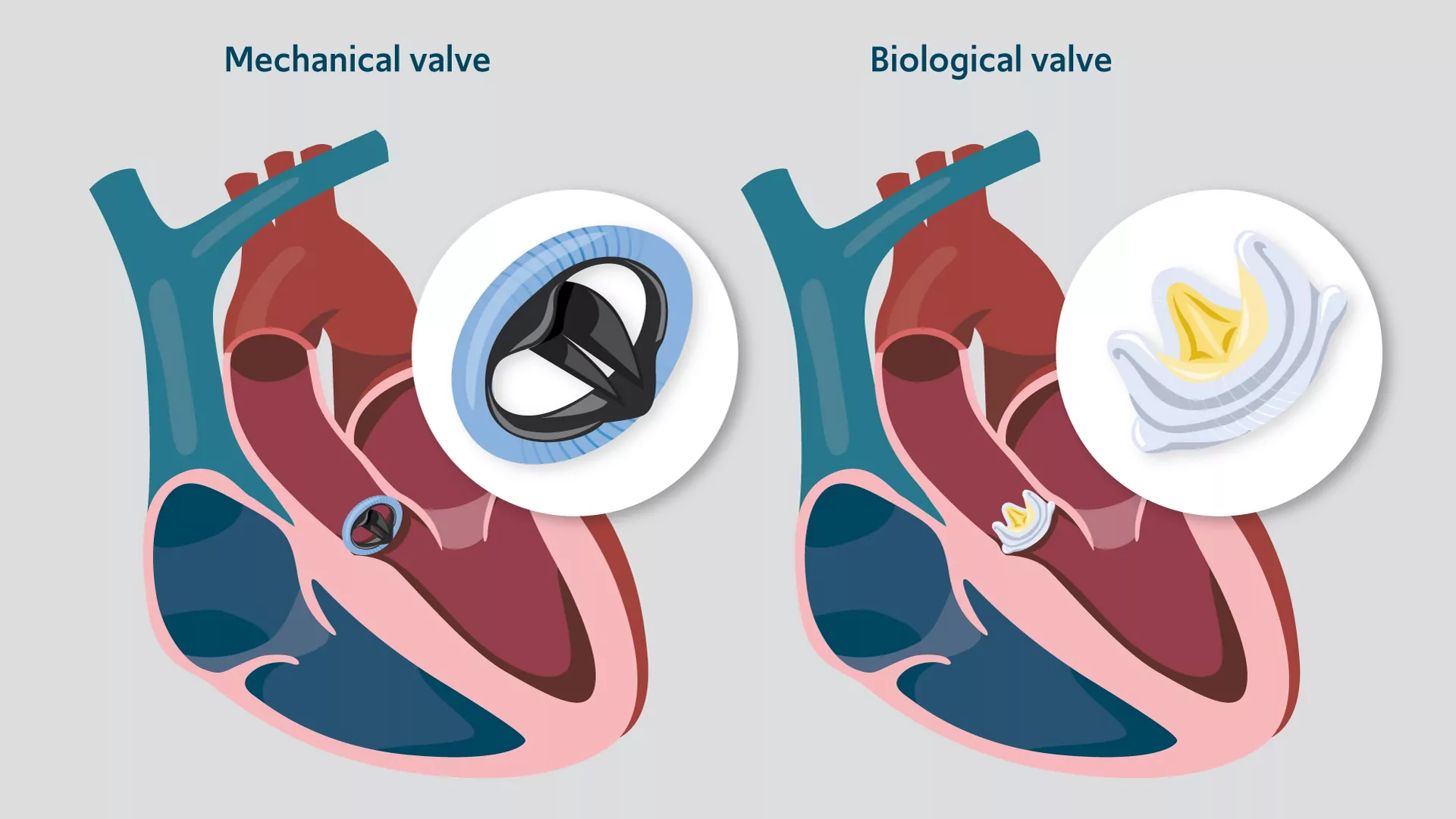
Types of Heart Valve Replacement
1. Mechanical Valves
- Made from durable materials
- Last longer (often lifetime)
- Require lifelong blood-thinning medication
2. Biological (Tissue) Valves
- Made from animal or human tissue
- Do not usually require long-term blood thinners
- May need replacement after 10–15 years
How is the Procedure Performed?
- The surgery is done under general anesthesia
- The damaged valve is removed
- A new valve (mechanical or biological) is implanted
- The procedure can be done through:
- Open-heart surgery
- Minimally invasive techniques
- Transcatheter procedures (TAVR/TAVI) in selected patients
The surgery typically takes 3–5 hours.
Benefits of Heart Valve Replacement
- Improves blood flow and heart function
- Relieves symptoms like breathlessness and fatigue
- Prevents heart failure
- Enhances quality of life
- Increases life expectancy
Risks of Heart Valve Replacement
Like any major surgery, there are some risks:
- Infection
- Bleeding
- Blood clots
- Stroke
- Valve malfunction (rare)
With modern techniques, the procedure is safe and highly successful.
Recovery After Valve Replacement
Hospital Stay
Usually 5–7 days
Full Recovery Time
Around 6–12 weeks
Recovery Tips
- Take medications as prescribed
- Maintain a healthy diet
- Avoid heavy physical activity initially
- Attend regular follow-ups
- Participate in cardiac rehabilitation
Life After Heart Valve Replacement
Most patients return to a normal and active life after recovery. Important lifestyle changes include:
- Regular exercise
- Healthy diet
- Avoid smoking
- Monitoring blood pressure and cholesterol
- Regular heart check-ups