Bentall’s Procedure: Advanced Surgery for Aortic Root and Valve Disease
Bentall’s Procedure is a complex heart surgery used to treat serious conditions affecting the aortic valve and the aortic root (the base of the aorta).
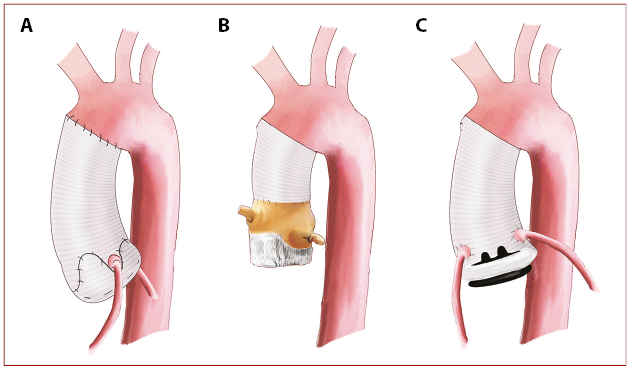
In this surgery, the damaged aortic valve, aortic root, and part of the ascending aorta are replaced with a combined graft that includes an artificial valve and a synthetic tube.
It is a life-saving procedure commonly performed in patients with aortic aneurysm or aortic dissection involving the aortic root.
Why is Bentall’s Procedure Needed?
This surgery is recommended for patients with:
- Aortic root aneurysm
- Aortic dissection (Type A)
- Severe aortic valve disease (stenosis or regurgitation)
- Connective tissue disorders (e.g., Marfan syndrome)
- Enlargement or weakening of the aorta
Conditions Treated by Bentall’s Procedure
- Aortic Aneurysm (bulging of the aorta)
- Aortic Dissection (tear in the aorta)
- Combined valve and aortic root disease
- Congenital abnormalities affecting the aortic root
How is Bentall’s Procedure Performed?
- The surgery is done under general anesthesia
- The chest is opened (open-heart surgery)
- The damaged aortic valve and aorta are removed
- A composite graft (valve + tube) is implanted
- The coronary arteries are reattached to the new graft
The procedure usually takes 4–6 hours.
Types of Valves Used in Bentall’s Procedure
1. Mechanical Valve
- Long-lasting (lifetime durability)
- Requires lifelong blood-thinning medication
2. Biological (Tissue) Valve
- Made from animal or human tissue
- No long-term blood thinners (in most cases)
- May need replacement after 10–15 years
Benefits of Bentall’s Procedure
- Treats both valve and aortic disease in one surgery
- Prevents life-threatening rupture or dissection
- Restores normal blood flow
- Improves survival and quality of life
- Durable long-term results
Risks of Bentall’s Procedure
As a major heart surgery, potential risks include:
- Bleeding
- Infection
- Stroke
- Heart rhythm problems
- Blood clots
However, with experienced cardiac surgeons, success rates are high and outcomes are excellent.
Recovery After Bentall’s Procedure
- Hospital Stay
Typically 7–10 days, including ICU care - Full Recovery Time
Around 6–12 weeks
Recovery Tips
- Take medications regularly
- Monitor blood pressure strictly
- Avoid heavy physical activity initially
- Maintain a heart-healthy lifestyle
- Attend regular follow-ups
Life After Bentall’s Procedure
Most patients can:
- Return to normal daily activities
- Experience improved heart function
- Live a longer and healthier life
- Require lifelong monitoring (especially with mechanical valves)
When to Seek Immediate Help After Surgery?
Contact your doctor if you experience:
- Fever or signs of infection
- Severe chest pain
- Difficulty breathing
- Swelling or irregular heartbeat