Hybrid Cardiac and Aortic Procedures: Advanced Combined Approach for Complex Heart & Aorta Conditions
Hybrid Cardiac and Aortic Procedures combine traditional open-heart surgery with minimally invasive catheter-based techniques to treat complex heart and aortic diseases.
This advanced approach allows surgeons to customize treatment, especially for patients who may not be suitable for full open surgery alone.
Why are Hybrid Procedures Needed?
Hybrid procedures are recommended when:
- The condition involves multiple areas of the heart and aorta
- Traditional surgery alone is too risky
- Minimally invasive procedures alone are not sufficient
- Patients require less invasive but comprehensive treatment
Conditions Treated
Hybrid cardiac and aortic procedures are used to treat:
- Complex coronary artery disease
- Aortic aneurysms (thoracic or abdominal)
- Aortic dissection
- Valve diseases with associated coronary blockages
- Congenital heart defects (complex cases)
- Re-do or high-risk cardiac surgeries
Types of Hybrid Procedures
- Hybrid Coronary Revascularization
Combination of bypass surgery (CABG) and angioplasty/stenting
Treats multi-vessel coronary artery disease - Hybrid Aortic Repair
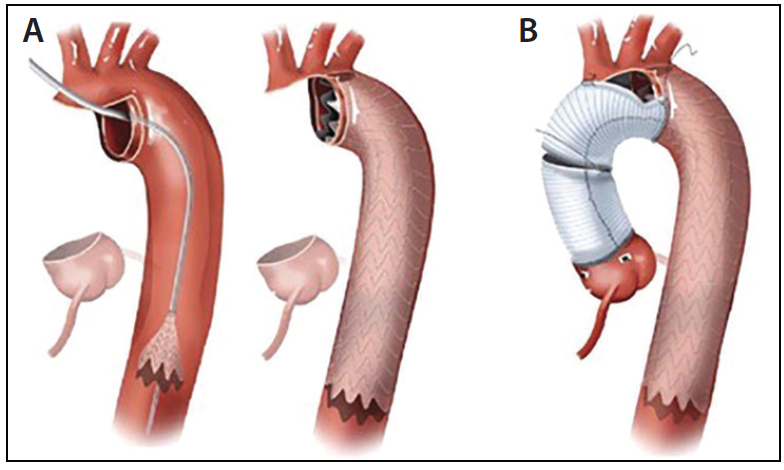
Combines surgical debranching with endovascular stent grafting (EVAR/TEVAR) - Hybrid Valve Procedures
Combines minimally invasive valve repair/replacement with catheter-based techniques - Hybrid Congenital Heart Procedures
Combines surgery and catheter intervention for complex heart defects
How are Hybrid Procedures Performed?
- Conducted in a hybrid operating room equipped with advanced imaging
- May be performed in a single session or staged approach
- Includes:
- Surgical correction of critical structures
- Catheter-based placement of stents or devices
Benefits of Hybrid Cardiac and Aortic Procedures
- Less invasive compared to full open surgery
- Reduced surgical trauma
- Lower risk for high-risk patients
- Shorter hospital stay
- Faster recovery
- Better outcomes in complex conditions
Who is the Ideal Candidate?
Hybrid procedures are suitable for:
- Elderly or high-risk patients
- Patients with multiple heart or aortic issues
- Individuals with prior cardiac surgery (re-do cases)
- Patients not suitable for traditional surgery
Risks of Hybrid Procedures
As advanced procedures, potential risks include:
- Bleeding
- Infection
- Stroke
- Blood vessel complications
- Need for additional procedures
With experienced specialists, these risks are minimized.
Recovery After Hybrid Procedures
- Hospital Stay: Usually 5–10 days
- Full Recovery: Around 3–6 weeks
Recovery Tips
- Follow medications strictly
- Maintain blood pressure and cholesterol levels
- Gradually resume physical activity
- Attend regular follow-ups
Hybrid vs Traditional Cardiac Surgery
| Feature | Hybrid Procedures | Open Surgery |
|---|---|---|
| Invasiveness | Less invasive | Highly invasive |
| Recovery | Faster | Longer |
| Risk | Lower (in selected patients) | Higher |
| Suitability | Complex/high-risk cases | Standard cases |
Life After Hybrid Treatment
Patients can expect:
- Improved heart and vascular function
- Relief from symptoms
- Better quality of life
- Faster return to daily activities
Regular follow-ups and lifestyle changes are important for long-term success.