Ventricular Septal Rupture (VSR): A Life-Threatening Cardiac Emergency
Ventricular Septal Rupture (VSR) is a serious and life-threatening condition where a hole develops in the wall (septum) between the heart’s lower chambers (ventricles).
It most commonly occurs as a complication after a severe heart attack, leading to abnormal blood flow between the ventricles and sudden deterioration of heart function.
Why Does Ventricular Septal Rupture Occur?
The most common cause of VSR is:
- Complication of myocardial infarction (heart attack)
Other less common causes include:
- Trauma or injury to the chest
- Congenital heart defects (rare cases)
- Infection of the heart
After a heart attack, the damaged heart muscle may weaken and rupture, creating a hole.
Symptoms of Ventricular Septal Rupture
Symptoms usually develop suddenly and worsen rapidly:
- Severe shortness of breath
- Chest pain
- Rapid heartbeat
- Low blood pressure
- Fatigue and weakness
- Signs of heart failure (swelling, fluid buildup)
Why is VSR Dangerous?
VSR causes:
- Mixing of oxygen-rich and oxygen-poor blood
- Increased pressure on the heart
- Reduced blood supply to the body
- Rapid progression to cardiogenic shock
Without urgent treatment, it can be fatal.
When Should You Seek Emergency Care?
Seek immediate medical attention if you experience:
- Sudden breathlessness after a heart attack
- Persistent chest pain
- Fainting or dizziness
- Rapid worsening of symptoms
This condition requires emergency hospitalization.
How is Ventricular Septal Rupture Diagnosed?
Doctors use:
- Echocardiography (2D Echo) – Primary diagnostic tool
- Transesophageal Echocardiography (TEE) – Detailed imaging
- Cardiac Catheterization – Measures pressure and blood flow
- CT Scan – In selected cases
Treatment Options for VSR
- Emergency Stabilization
- Oxygen therapy
- Medications to support blood pressure
- Mechanical support (like intra-aortic balloon pump or ECMO in critical cases)
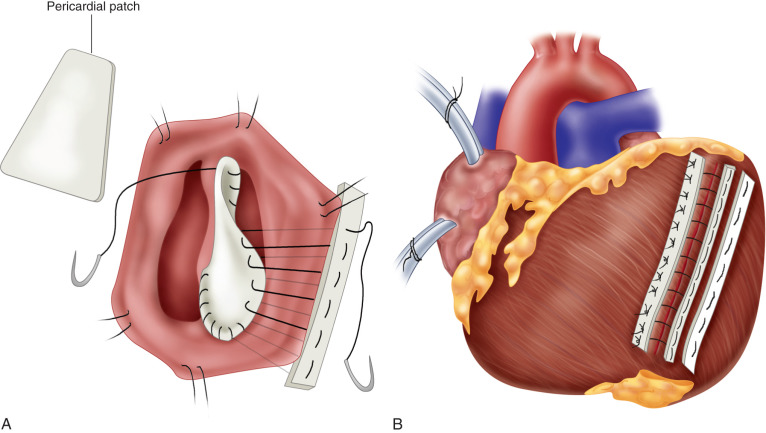
- Surgical Repair (Definitive Treatment)
- Closure of the hole using a patch
- Performed as open-heart surgery
- Considered the most effective treatment
- Device Closure (Selected Cases)
- Minimally invasive closure using catheter-based devices
- Suitable for specific patients
Benefits of Early Treatment
- Prevents heart failure and shock
- Restores normal blood flow
- Improves survival rates
- Reduces complications
Risks of VSR Surgery
As an emergency procedure, risks may include:
- Bleeding
- Infection
- Stroke
- Heart rhythm disturbances
However, without surgery, survival chances are extremely low.
Recovery After VSR Surgery
- Hospital Stay: Usually 7–14 days, including ICU care
- Full Recovery Time: Around 6–12 weeks
Recovery Tips
- Strict medication adherence
- Regular follow-up visits
- Heart-healthy lifestyle
- Gradual return to activity
Life After VSR Treatment
With successful treatment, patients can:
- Recover heart function
- Improve quality of life
- Return to daily activities
- Require ongoing monitoring