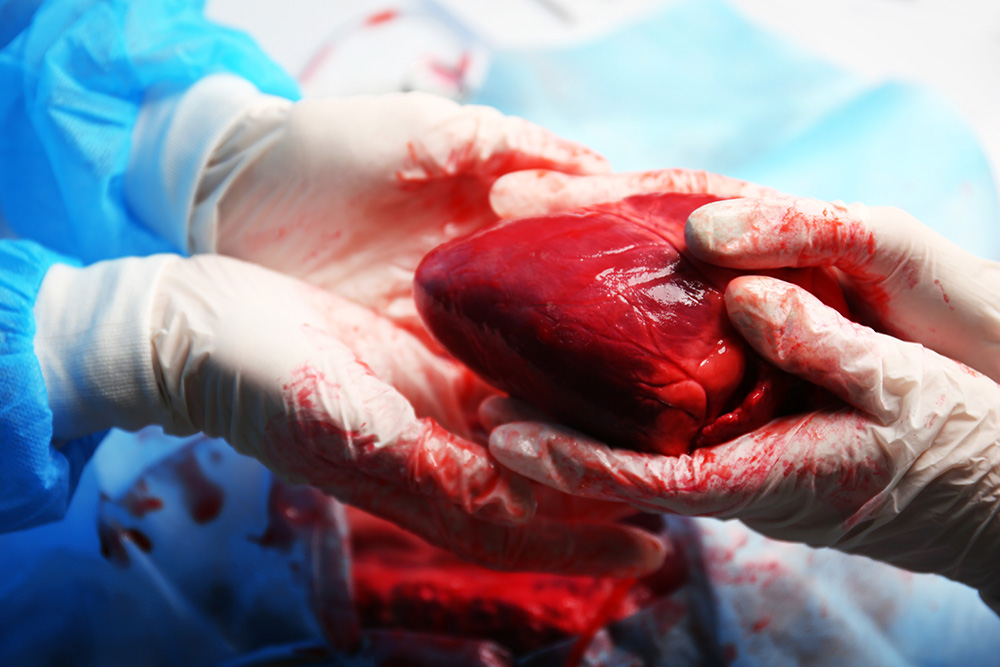
Heart Transplantation: A Life-Saving Treatment for End-Stage Heart Failure
Heart Transplantation is a surgical procedure in which a diseased or failing heart is replaced with a healthy donor heart. It is considered the best treatment option for patients with end-stage heart failure when other treatments are no longer effective.
This advanced procedure can significantly improve survival and quality of life.
Why is a Heart Transplant Needed?
A heart transplant is recommended for patients with:
- End-stage heart failure
- Severe cardiomyopathy (weakened heart muscle)
- Advanced coronary artery disease
- Congenital heart defects (in selected cases)
- Life-threatening heart rhythm disorders
Who is Eligible for a Heart Transplant?
Patients may be considered if they:
- Have severe heart failure not responding to medications or surgery
- Are medically fit for major surgery
- Do not have severe infections or other uncontrolled diseases
- Are committed to long-term follow-up care
A detailed evaluation is required before listing for transplant.
How Does the Heart Transplant Process Work?
- Evaluation & Listing
- Comprehensive medical tests are done
- Patient is placed on a transplant waiting list
- Donor Matching
- A suitable donor heart is identified based on blood type, size, and urgency
- Transplant Surgery
- The diseased heart is removed
- The donor heart is implanted and connected to blood vessels
The surgery usually takes 4–6 hours.
Benefits of Heart Transplantation
- Restores normal heart function
- Improves quality of life
- Increases life expectancy
- Relieves symptoms like breathlessness and fatigue
- Allows return to normal activities
Risks of Heart Transplant
As a major surgery, risks include:
- Rejection of the donor heart
- Infection due to weakened immunity
- Bleeding or blood clots
- Side effects of medications
With proper care, most patients have excellent long-term outcomes.
Life After Heart Transplant
Medications
- Lifelong immunosuppressant medications to prevent rejection
Lifestyle Changes
- Healthy diet and regular exercise
- Avoid infections
- Regular medical check-ups
Follow-Up Care
- Frequent monitoring, especially in the first year
Recovery After Heart Transplant
- Hospital Stay: Usually 2–3 weeks
- Full Recovery Time: Around 3–6 months
Recovery Tips
- Take medications strictly as prescribed
- Maintain hygiene to prevent infections
- Attend all follow-up appointments
- Gradually increase physical activity
Survival and Success Rate
- Heart transplantation has high success rates
- Many patients live 10–15 years or longer after transplant
- Outcomes are best with early treatment and proper care