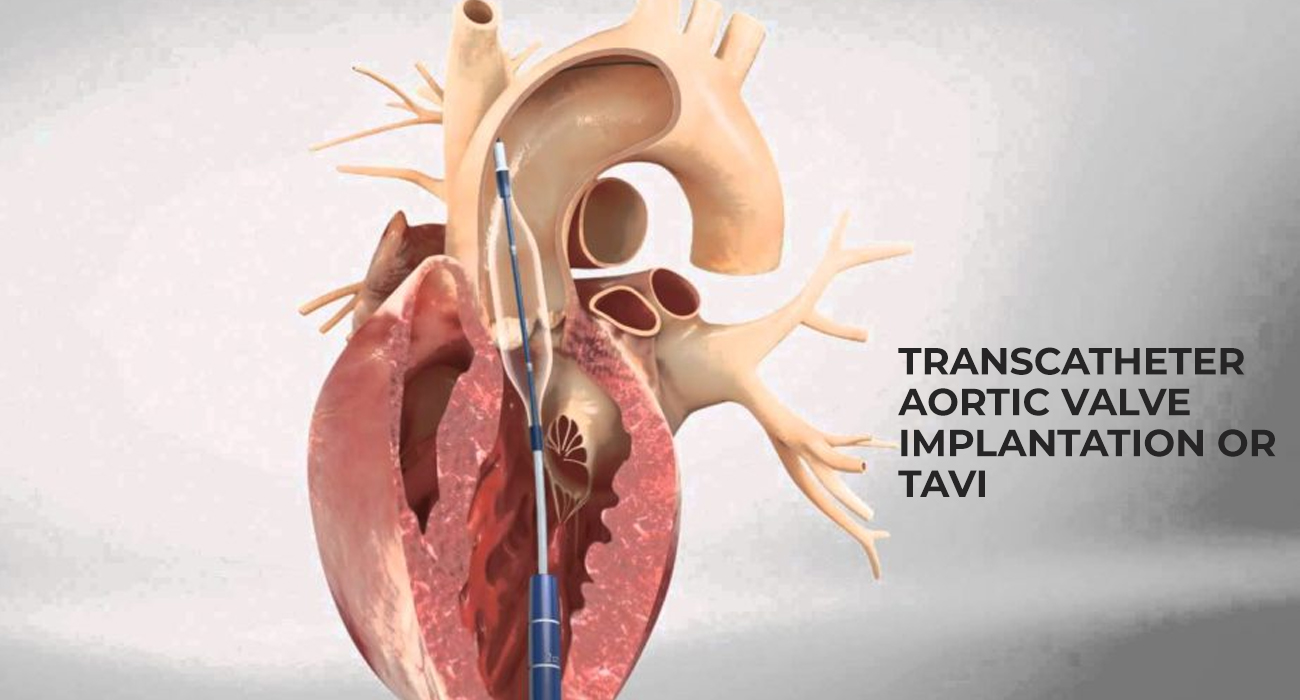
Transcatheter Aortic Valve Implantation (TAVI): A Safer, Minimally Invasive Heart Valve Replacement
Transcatheter Aortic Valve Implantation (TAVI), also called TAVR, is a cutting-edge, minimally invasive procedure used to replace a narrowed or damaged aortic valve without the need for traditional open-heart surgery.
Instead of opening the chest, a new artificial valve is delivered through a catheter (thin tube), usually inserted via the groin (femoral artery), and placed inside the existing valve.
Why is TAVI Performed?
TAVI is mainly used to treat severe aortic stenosis, a condition where the aortic valve becomes stiff and narrow, restricting blood flow from the heart to the body.
Common Symptoms of Aortic Stenosis:
- Chest pain or tightness
- Shortness of breath
- Fatigue or weakness
- Dizziness or fainting
- Reduced exercise capacity
If left untreated, severe aortic stenosis can lead to heart failure or sudden cardiac death.
Who is a Candidate for TAVI?
TAVI is ideal for:
- Elderly patients
- Patients at high or intermediate risk for open-heart surgery
- Individuals with multiple medical conditions
- Patients who prefer minimally invasive treatment
A detailed evaluation by a multidisciplinary heart team is required before the procedure.
How is the TAVI Procedure Done?
- Performed under local anesthesia or mild sedation
- A catheter is inserted through the femoral artery (groin) or sometimes through the chest
- The new valve is guided to the heart using imaging
- The valve is expanded and placed within the diseased valve
- It starts working immediately
⏱️ Procedure Time: 1–2 hours
Types of Valves Used in TAVI
- Biological (tissue) valves made from animal tissue
- Designed to mimic natural valve function
- Usually do not require lifelong blood-thinning medications
Benefits of TAVI
- No large chest incision
- Minimally invasive and less painful
- Short hospital stay
- Faster recovery (often within days)
- Lower risk in high-risk patients
- Immediate symptom relief
- Improved quality of life
Risks of TAVI
Although generally safe, potential risks include:
- Bleeding
- Stroke
- Blood vessel injury
- Valve leakage (paravalvular leak)
- Need for pacemaker in some patients
With experienced specialists, complication rates are low and manageable.
Recovery After TAVI
- Hospital Stay: Typically 2–4 days
- Full Recovery: Most patients recover within 1–2 weeks
Recovery Tips
- Take prescribed medications regularly
- Avoid heavy lifting for a short time
- Walk daily to improve circulation
- Follow a heart-healthy diet
- Attend regular follow-ups
TAVI vs Open-Heart Valve Replacement
| Feature | TAVI | Traditional Surgery |
|---|---|---|
| Incision | No major incision | Chest opened |
| Recovery | Faster | Longer |
| Hospital Stay | Shorter | Longer |
| Risk | Lower in high-risk patients | Higher in high-risk patients |
Life After TAVI
After the procedure, most patients:
- Experience improved breathing and energy
- Return quickly to daily activities
- Enjoy better heart function
- Require periodic follow-ups for valve monitoring