What Is the Fontan Procedure? A Lifesaving Surgery Explained
For children born with complex heart defects, modern medicine offers remarkable solutions that can significantly improve survival and quality of life. One such breakthrough is the Fontan Procedure—a specialized surgery designed for patients with certain types of congenital heart disease.
The Fontan Procedure is primarily used in children who have only one functioning ventricle (a condition often referred to as single-ventricle physiology). In a normal heart, two ventricles pump blood—one to the lungs and one to the rest of the body.
However, in conditions like:
- Hypoplastic Left Heart Syndrome
- Tricuspid Atresia
- Other complex congenital heart defects
…the heart cannot effectively pump blood using both ventricles. This is where the Fontan Procedure becomes life-saving.
What Is the Fontan Procedure?
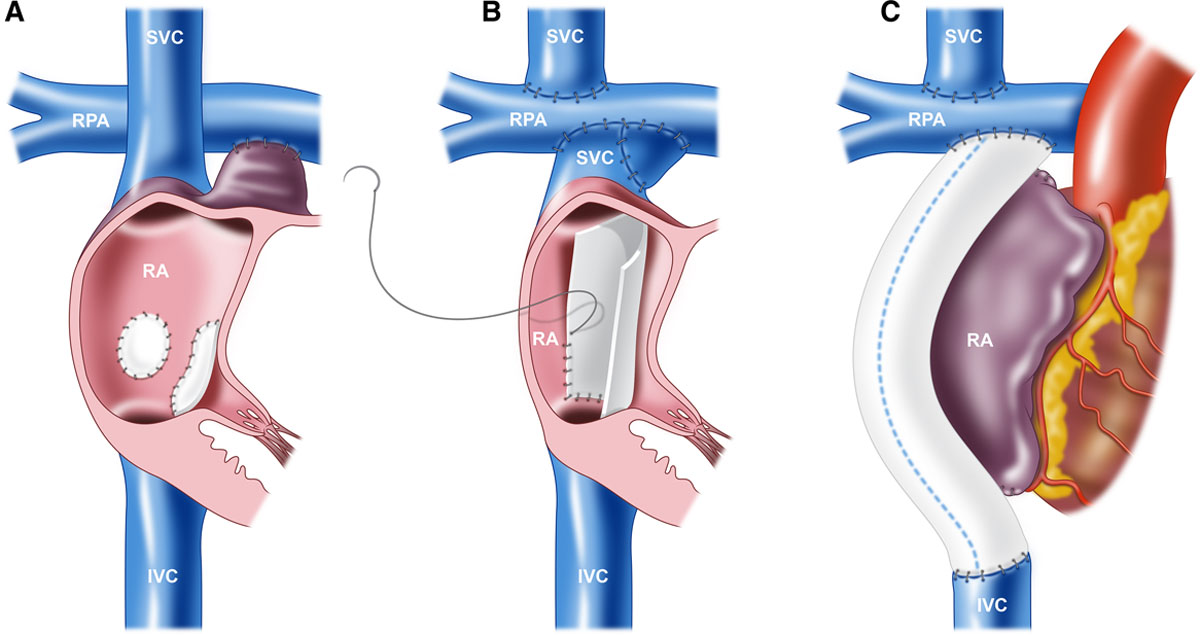
The Fontan Procedure is a type of open-heart surgery that redirects blood flow in a way that allows oxygen-poor blood to flow directly to the lungs without passing through the heart.
In simple terms:
- Blood from the body bypasses the heart
- It goes directly into the pulmonary arteries (leading to the lungs)
- The single functioning ventricle pumps oxygen-rich blood to the body
This reduces the workload on the heart and improves oxygen levels in the bloodstream.
Is the Fontan Procedure Done in One Stage?
No, the Fontan Procedure is usually the final stage of a series of surgeries performed over time:
- First Stage (Newborn Period)
Initial surgery to stabilize blood flow (e.g., Norwood procedure) - Second Stage (3–6 Months)
Partial rerouting of blood flow (Glenn procedure) - Final Stage (Fontan Procedure)
Complete separation of oxygen-rich and oxygen-poor blood flow
This staged approach allows the child’s body to gradually adapt to the new circulation system.
Who Needs the Fontan Procedure?
Doctors recommend this surgery for children with:
- Single-ventricle heart defects
- Poor oxygen levels (cyanosis)
- Inefficient blood circulation
It is typically performed between 2 to 5 years of age, depending on the child’s condition.
Benefits of the Fontan Procedure
The surgery offers several life-changing benefits:
- Improves oxygen levels in the blood
- Reduces cyanosis (bluish skin)
- Enhances energy and growth
- Allows children to lead more active lives
For many patients, it significantly increases life expectancy.
Risks and Complications
While the Fontan Procedure is a major advancement, it is still complex and may carry risks such as:
- Blood clots
- Fluid buildup (pleural effusion)
- Arrhythmias (irregular heartbeat)
- Liver complications over time
- Need for future interventions
Regular follow-up care is essential to manage these risks.
Life After the Fontan Procedure
Most children recover well and experience a noticeable improvement in their quality of life. However, long-term care is important:
- Routine check-ups with a pediatric cardiologist
- Medications to prevent blood clots
- Monitoring for heart rhythm issues
- Lifestyle adjustments as advised by doctors
Many Fontan patients grow into adulthood and live productive lives, although they require lifelong cardiac care.
Expert Insight
Cardiac specialists emphasize that timing and proper patient selection are crucial for the success of the Fontan Procedure. Advances in surgical techniques and post-operative care have greatly improved outcomes in recent years.
Final Thoughts
The Fontan Procedure is a lifesaving surgical milestone for children with complex congenital heart defects. While it does not “cure” the condition, it provides a functional circulation system that allows patients to survive and thrive.