Can Babies Safely Undergo Heart Surgery? Expert Insights
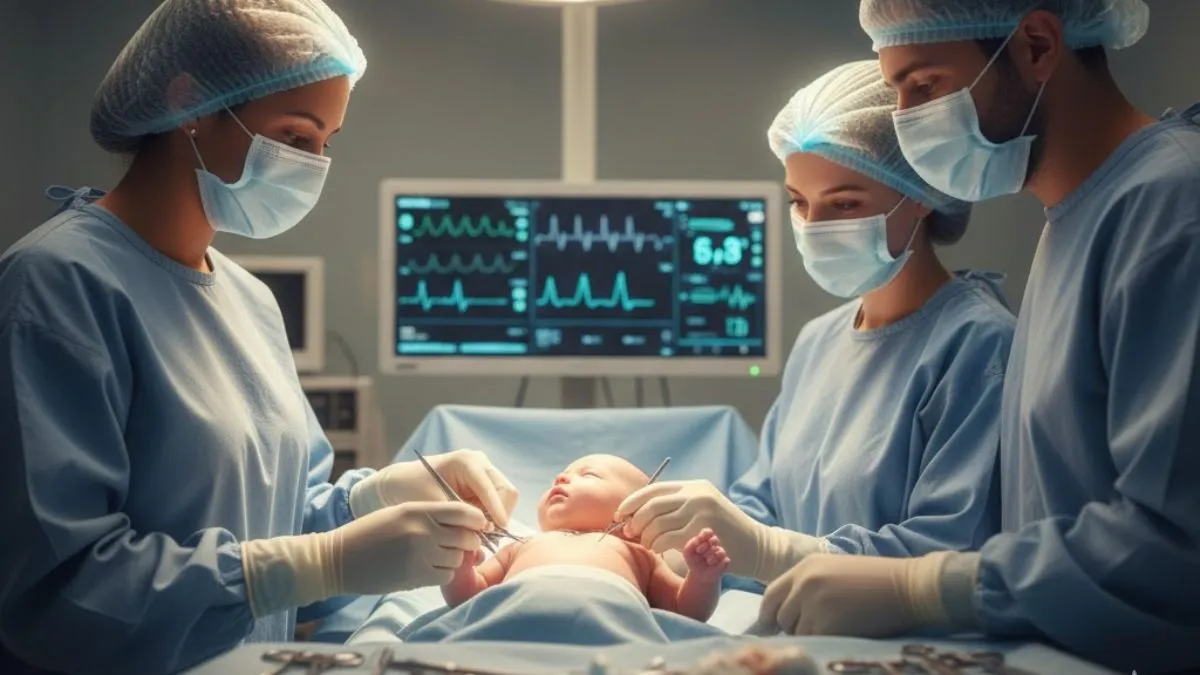
Hearing that a baby may need heart surgery can be overwhelming for any parent. However, thanks to major advances in pediatric cardiac care, many heart surgeries in infants are now safe, effective, and life-saving. Understanding how and why these procedures are performed can help ease concerns and empower families to make informed decisions.
Some babies are born with structural problems in the heart, known as Congenital Heart Disease (CHD). These defects can affect how blood flows through the heart and to the rest of the body.
Common congenital heart conditions include:
- Holes in the heart (ASD, VSD)
- Narrowed or blocked blood vessels
- Abnormal heart valve development
- Complex heart defects affecting multiple structures
In many cases, surgery is required early in life to correct these issues and ensure normal growth and development.
Is Heart Surgery Safe for Babies?
Yes—heart surgery in babies is generally safe when performed at specialized centers by experienced pediatric cardiac surgeons. Over the years, survival rates have improved significantly due to:
- Advanced surgical techniques
- Improved anesthesia and monitoring
- Specialized neonatal intensive care units (NICUs)
- Early diagnosis through fetal echocardiography
Even newborns, including premature babies, can successfully undergo complex procedures when necessary.
Types of Heart Surgery in Infants
Depending on the condition, doctors may recommend different procedures:
- Open-Heart Surgery
This involves temporarily stopping the heart and using a heart-lung machine to perform repairs. - Minimally Invasive Procedures
Some conditions can be treated using catheter-based techniques, reducing recovery time. - Staged Surgeries
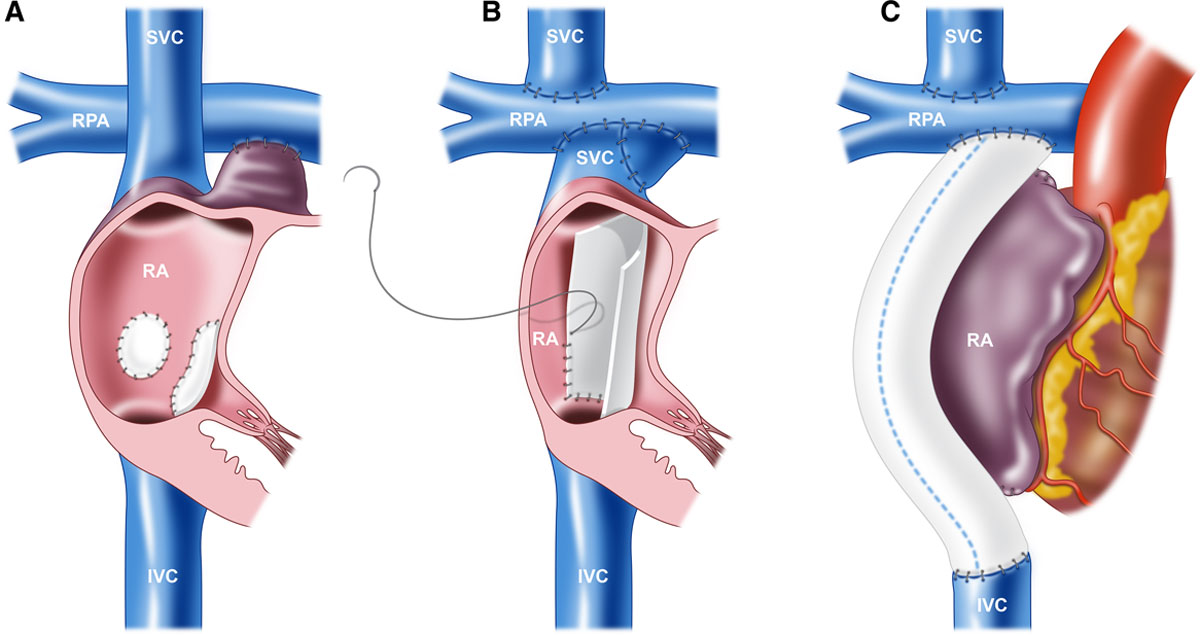
Complex conditions may require multiple surgeries over time as the child grows.
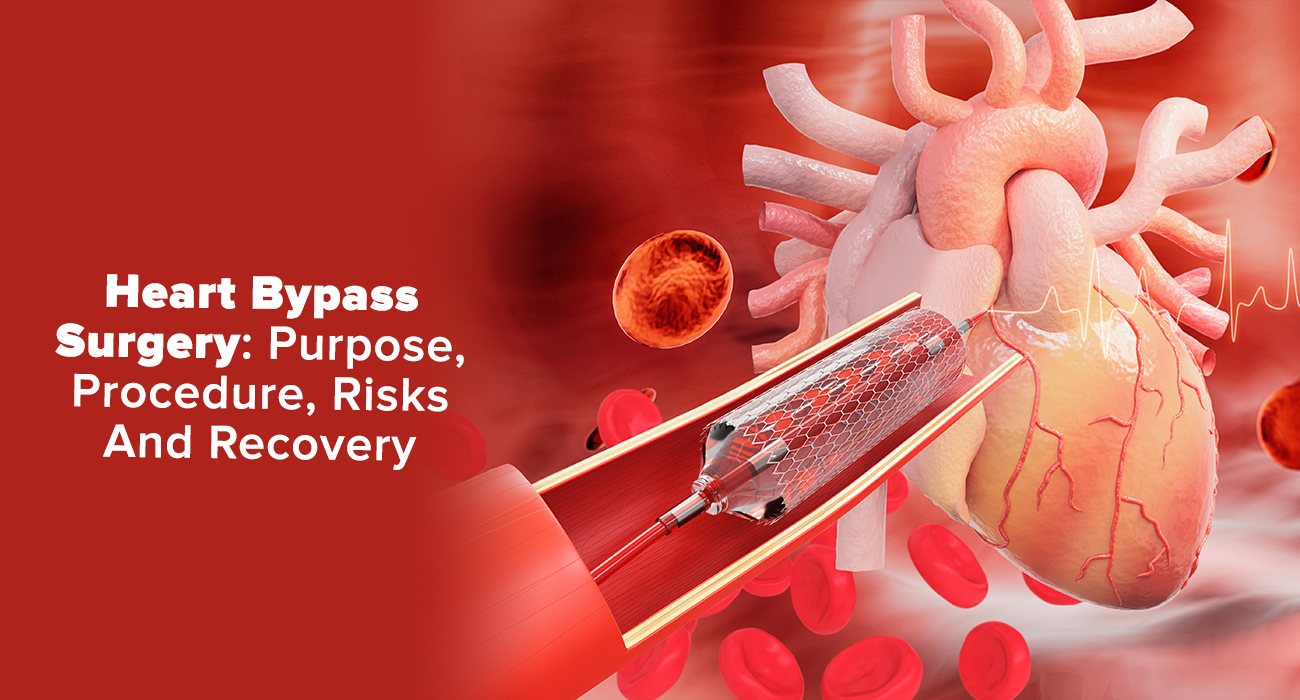
One of the most common procedures performed is Coronary Artery Bypass Grafting, although it is more typical in adults; pediatric surgeries are usually tailored to congenital defects.
Risks and Complications
While modern heart surgery is highly advanced, like any major procedure, it carries some risks:
- Infection
- Bleeding
- Reaction to anesthesia
- Irregular heart rhythms
- Need for additional surgeries
However, the benefits of surgery often far outweigh the risks, especially when the condition is life-threatening.
Signs a Baby May Need Heart Surgery
Parents should watch for early warning signs, including:
- Bluish skin (cyanosis)
- Difficulty feeding
- Rapid breathing
- Poor weight gain
- Excessive sweating, especially during feeding
If these symptoms appear, immediate medical evaluation is essential.
Recovery After Surgery
Recovery varies depending on the complexity of the surgery, but most babies:
- Stay in the ICU for close monitoring
- Gradually return to feeding and normal activity
- Require follow-up visits and possible medications
With proper care, many children go on to live healthy and active lives after surgery.
Long-Term Outlook
The long-term outlook for babies undergoing heart surgery has improved dramatically. Many children:
- Achieve normal growth and development
- Attend school and participate in activities
- Lead fulfilling, active lives
Regular follow-ups with a pediatric cardiologist remain important for monitoring heart health.
Expert Insight
Pediatric cardiac surgeons emphasize that early diagnosis and timely intervention are key. Delaying necessary surgery can lead to complications, while prompt treatment often results in excellent outcomes.
Final Thoughts
Heart surgery in babies may sound frightening, but it is often the best and safest option for treating serious heart conditions. With modern medical advancements and expert care, thousands of infants successfully undergo these procedures every year.